Table of Contents
ToggleModern gothic design has emerged as a bold alternative to minimalism and industrial aesthetics, blending Victorian drama with contemporary restraint. Unlike pure gothic, which leans heavily into ornament and medieval references, modern gothic strips away excess, keeping moody atmospheres and striking details while maintaining clean lines and functionality. A modern gothic living room becomes a personal sanctuary where dark elegance meets everyday comfort. This guide walks homeowners through the key elements needed to transform a living space into a sophisticated, moodily beautiful room that feels current and intentional, not like a Halloween set.
Key Takeaways
- Modern gothic living room design balances dark elegance with clean lines and functionality, avoiding the oppressive feeling of pure gothic by maintaining restraint and minimalism.
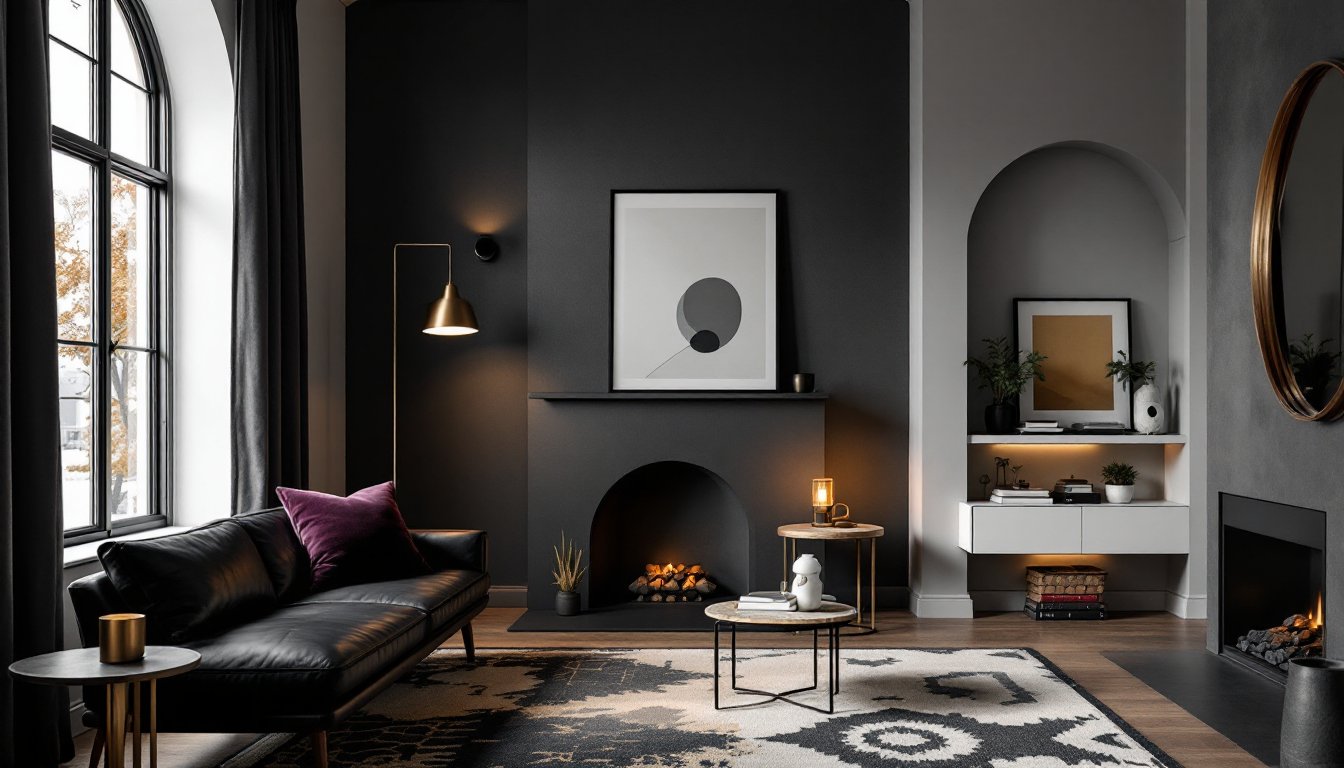
- Choose a strategic color palette using charcoal or deep navy walls paired with jewel tones, metallics (brass, bronze, black), and white accents to prevent the space from feeling claustrophobic.
- Select furniture with simple geometric forms and sculptural details rather than ornate carvings, prioritizing clean-lined sofas, minimalist shelving, and intentional statement pieces.
- Layer lighting sources at different heights—ambient, task, and accent lighting—using warm color temperature (2700K or lower) and dimmers to create atmosphere without making the room feel genuinely dark or uninviting.
- Anchor your modern gothic living room with one or two focal points like a statement fireplace, dramatic accent wall, or sculptural light fixture, then build outward with cohesive textiles and minimal wall art.
- Incorporate textiles and metallics strategically to add warmth and visual interest; deep plum throws, wool rugs with subtle patterns, and brass or bronze fixtures balance the dark palette while maintaining the modern aesthetic.
Define Your Modern Gothic Aesthetic
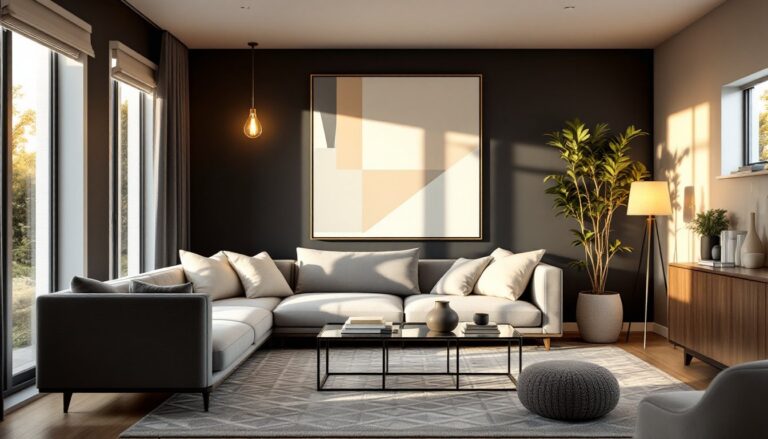
Modern gothic living rooms reject clutter and overwrought detailing in favor of purposeful drama. The style balances darkness, achieved through deep wall colors, moody lighting, and rich upholstery, with restraint in form. Think a charcoal accent wall with a clean-lined sofa, not a room draped in heavy velvet and ornate mirrors everywhere.
Start by identifying what draws someone to gothic design. Is it the moody atmosphere? The richness of dark colors? A love of unique, statement pieces? Understanding this helps avoid creating a room that simply looks gloomy or cold. Modern gothic celebrates intensity without feeling claustrophobic.
The foundation involves choosing two or three anchoring design elements, perhaps a statement fireplace, dramatic wall color, or a sculptural light fixture. Everything else should either support or balance these focal points. This creates visual hierarchy and prevents the space from becoming chaotic. The goal is sophistication that invites people in, not a space that feels intimidating.
Color Palettes That Define Modern Gothic Rooms
The color foundation determines whether a room feels modern gothic or simply dark and depressing. Strategic use of deep neutrals, contrasting accents, and reflective metallics transforms a moody palette into one that feels intentional and livable.
Start with wall colors in the charcoal, deep navy, or near-black range. These create the gothic foundation without making the room feel like a cave. Many homeowners hesitate with such dark walls, but modern gothic rooms typically balance them by keeping architectural details minimal, using lighter trim work, and relying on layered lighting to create dimension.
Deep Jewel Tones and Metallics
Jewel tones, emerald, sapphire, and deep plum, add richness without the severity of pure black or charcoal. These colors work beautifully on an accent wall or in upholstery, creating a focal point that feels luxurious rather than heavy. Pair jewel tones with matte black or charcoal to maintain modern simplicity.
Metallics are essential to modern gothic balance. Brass, bronze, and black metal accents prevent the palette from becoming flat. A brass floor lamp with minimal ornamentation, bronze-framed mirrors, or gunmetal hardware on furniture reflect light and add visual interest. Gold metallics feel warmer and more traditional gothic: brass and bronze read more contemporary.
White or cream accents, in trim work, shelving, or upholstered pieces, prevent the room from feeling oppressive. A single light-colored sofa in a charcoal room, or white shelving on a deep teal accent wall, provides visual relief. This contrast is what separates modern gothic from plain dark.
Essential Furniture and Fixtures
Modern gothic furniture prioritizes function and clean form over ornamental carving or excessive detailing. Pieces should feel intentional, not borrowed from a historical period.
Look for sofas and seating with straight legs, simple cushions, and minimal skirts or trim. Velvet upholstery in jewel tones or deep charcoal works beautifully, as does leather in black or deep brown. Avoid tufting or button details that read too traditional-gothic: instead, choose smooth, sculptural forms.
Side tables, shelving, and storage pieces should have clear geometric lines. A black metal bookshelf with industrial-style supports, a marble-topped console table, or simple wooden shelving in ebonized finish all fit the aesthetic. These pieces feel modern because they emphasize form over ornamentation.
Statement Pieces and Minimalist Lines
One or two statement pieces anchor the room and justify the dark palette. A matte black fireplace surround with simple tile, an arched mirror with black metal framing, or a sculptural accent chair in leather or wool can serve this role. The key is choosing pieces with interesting silhouettes that don’t rely on carved details or ornate embellishment.
Art on walls should be minimal but impactful. A large black-and-white photograph, an abstract painting with dramatic contrasts, or a gothic-inspired botanical print in a simple frame works better than a gallery wall of small pieces. This restraint reflects the modern side of the equation.
Textiles, throw pillows, rugs, curtains, provide texture without visual clutter. A deep plum throw pillow on a charcoal sofa, a wool area rug in black with subtle pattern, or floor-to-ceiling curtains in dense black fabric add softness while maintaining the mood. Keep patterns minimal: solid colors and simple geometric designs read more modern.
Lighting: Creating Atmosphere and Drama
Lighting makes or breaks a modern gothic room. Darkness without properly layered light feels depressing: intentional lighting transforms moody colors into atmosphere.
Avoid bright recessed ceiling fixtures or traditional overhead lighting. Instead, plan for a combination of sources at different heights and brightness levels. This approach, called task, ambient, and accent lighting, creates dimension in a dark room.
Layering Light Sources Effectively
Start with ambient lighting, soft, general illumination that doesn’t overwhelm. Dimmable wall sconces on either side of a fireplace, or a single floor lamp with a fabric shade in a corner, provide this. The bulbs should be warm color temperature, 2700K or lower, to avoid harsh, cold light that fights the gothic aesthetic.
Task lighting supports specific activities: reading, conversation, or focused work. A brass or bronze table lamp on a side table, or a pendant light over a console, serves this purpose. Choose fixtures with interesting forms, geometric metal, sculptural ceramics, or minimalist designs, because they’ll be visible and contribute to the room’s character.
Accent lighting highlights architectural or decorative features. A small uplight behind shelving to illuminate books and objects, LED strip lighting behind a floating shelf, or track lighting focused on wall art adds drama and depth. These elements typically use dimmer switches so they can be adjusted based on mood and time of day.
Consider candlelight as an intentional accent, real or high-quality battery-operated pillar candles grouped on a mantel or console add authentic gothic warmth without risk. Modern gothic rooms embrace this romantic, dramatic element.
The critical rule: ensure the room never feels genuinely dark or uninviting. If someone can’t navigate safely or read comfortably, the lighting design hasn’t succeeded, regardless of aesthetic goals.
Bringing It All Together
A modern gothic living room succeeds when dark elegance feels intentional, balanced, and livable. The palette should feel moody without oppressive: statement pieces should feel interesting without theatrical. Start with one anchoring element, a wall color, a statement piece, or a lighting fixture, and build outward thoughtfully. Layer in metallics, introduce jewel tones, and commit to layered, warm lighting. The result is a space that feels sophisticated and personal, a room where dark design serves as backdrop to meaningful living.