Table of Contents
ToggleChoosing living room drapes is about far more than blocking out light. The right window treatments anchor a room’s aesthetic, control privacy, and affect how light and heat move through the space. Whether someone’s refreshing a dated living room or starting from scratch, drapes set the tone for everything else, furniture, wall color, the whole vibe. The good news? There’s no single “right” answer. A homeowner’s preferences, room orientation, and budget all shape the decision. This guide walks through seven proven living room drapes ideas that balance style, function, and real-world practicality, so anyone can make a choice that actually works for their home.
Key Takeaways
- Living room drapes ideas range from classic neutrals to bold colors and patterns, with each style affecting the room’s aesthetic, privacy, light control, and overall ambiance.
- Neutral tones like ivory, taupe, and greige provide timeless elegance and pair well with statement hardware, while warm tones suit south-facing windows and cool tones work best in north-facing rooms.
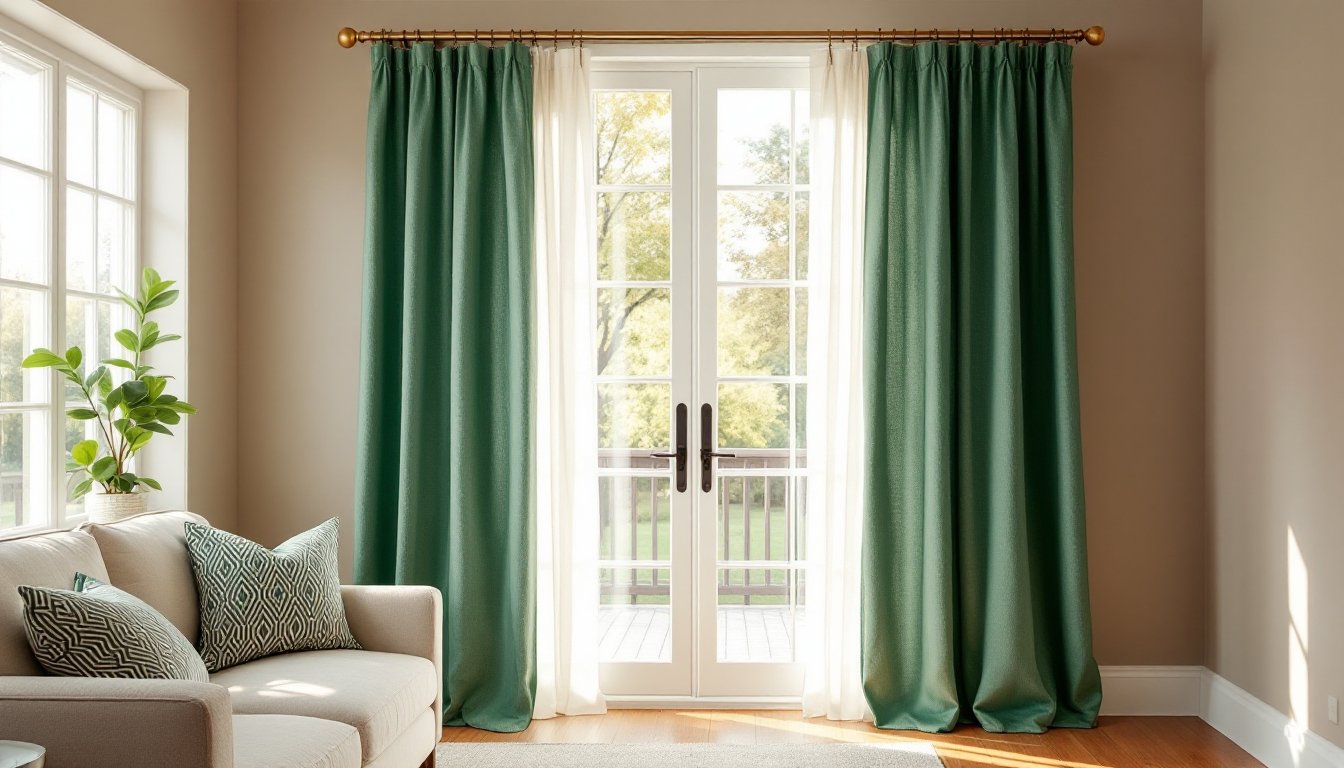
- Layering techniques using sheers and blackout drapes on separate rods spaced 8–10 inches apart offer flexible light control throughout the day while adding visual sophistication.
- Fabric choice significantly impacts performance: velvet and chenille provide luxury and insulation, while linen suits warm climates, and synthetic blends deliver durability for high-traffic households.
- Properly sized hardware—rods extending 8–12 inches beyond the window frame, sturdy brackets rated for fabric weight, and quality finials—transforms drapes from functional to designer-quality.
- Bold drapes work best in rooms with neutral walls and furniture, allowing them to serve as the statement piece without competing with other elements.
Classic Neutral Tones for Timeless Elegance
Neutral drapes, think ivory, warm taupe, soft gray, or greige (a gray-beige blend), never go out of style. They work because they don’t fight other elements in the room. A homeowner can repaint walls, swap furniture, or change throw pillows without the drapes feeling outdated.
Neutrals also hide dust and pet hair better than dark colors, a practical win for busy households. Linen-blend fabrics in neutral tones offer a sophisticated, natural look with slight texture variation that photographs beautifully. For a more polished feel, cotton sateen provides subtle sheen without looking cheap.
The key is choosing the right undertone. Cool grays work best in north-facing rooms with predominantly cool light. Warm taupes and creams suit south-facing windows where sunlight is warmer. Pair neutral drapes with interesting hardware, a matte black or brushed brass rod, to prevent them from disappearing into the walls.
Bold Colors and Patterns That Make a Statement
Bold living room drapes command attention and personality. Deep jewel tones (emerald, sapphire, rich burgundy) create sophistication and drama, especially in formal living spaces or rooms with good natural light. Navy blue is a bulletproof choice, it coordinates with nearly every accent color and reads as intentional rather than risky.
Patterns like geometric prints, subtle damask, or modern abstract designs work when they echo other elements in the room, a pillow, area rug, or artwork. Avoid patterns so busy they feel dated in a few years. A single bold statement wall of drapes works better than overdoing pattern throughout the room.
Bold drapes work hardest in rooms with neutral walls and furniture. If walls are already textured or patterned, they’ll compete. Pair bold drapes with understated accessories and let them be the hero of the window. This approach adds personality without requiring a full room redesign when tastes shift.
Layering Techniques for Depth and Sophistication
Layering window treatments adds depth, function, and polish that no single treatment can match. Strategic layering controls light at different times of day while creating visual interest from both inside and outside the room.
Sheer and Blackout Combinations
Sheer curtains hung on an inner rod diffuse harsh midday light while maintaining daytime privacy. Sunlight filtering through sheer fabric softens the room and prevents fading on furniture and artwork. Layer blackout or room-darkening drapes on an outer rod for evening privacy and sleep control. This two-rod setup gives flexibility: sheers alone during the day, both layers drawn at night.
For best results, use tension rods or double curtain rods spaced 8 to 10 inches apart. The gap allows air circulation and prevents heat buildup in summer. Sheers should be nearly transparent (think lightweight linen or voile), while the outer layer provides opacity and insulation.
Another layering trick: add a valance or cornice above sheers and drapes for a finished, tailored look. This hides the rod system and adds architectural interest without requiring much fabric or expense. Valances work especially well in traditional or formal living rooms.
Fabric Choices That Balance Style and Function
The best living room drapes fabric depends on light control needs, durability, and maintenance tolerance. Heavy velvet or plush chenille blocks light effectively and provides thermal insulation, valuable in older homes or cold climates. Both feel luxurious but attract dust and require occasional vacuuming with an upholstery attachment.
Linen offers natural elegance and breathes well, making it ideal for warm climates or sun-exposed rooms. Linen wrinkles naturally (which many prefer), but it can fade if not lined. Cotton-linen blends reduce shrinkage and fading while maintaining that organic look.
Synthetic blends (polyester-cotton mixes) resist wrinkles, fade slowly, and clean up easily, practical for households with kids or pets. They won’t feel as premium as natural fibers, but performance can outweigh feel in real-world conditions.
Lined drapes cost more upfront but extend fabric life, improve insulation, and create a polished appearance from outside. Look for blackout lining in bedrooms and dark lining in living rooms if appearance matters. Unlined drapes work fine for sheers and decorative layers where light-blocking isn’t the priority.
Hardware and Accessories That Elevate Your Look
The rod, brackets, and finials matter as much as the fabric, they’re visible frame for the entire look. Standard rods (1-inch diameter) work for most drapes. Heavy-duty rods (1.25 inches or larger) suit heavier fabrics or wide windows where sag becomes an issue. Measure twice before buying: rod length should extend 8 to 12 inches beyond the window frame on each side to allow drapes to stack back and allow light in when open.
Finials (the decorative end caps) set the tone: modern squared finials, classic tapered designs, or ornate ball-and-ring styles. They’re inexpensive to swap out, so trying different options costs little.
Brackets should be rated for the fabric weight and window width. Cheaper brackets fail under load. Matte black, brushed brass, and oil-rubbed bronze finishes suit most aesthetics and hide fingerprints better than polished finishes.
For a polished look, add a tie-back or holdback to cinch drapes to the side during the day. These can be functional (soft rope or fabric ties) or decorative (metal or wooden holdbacks). They keep drapes from blocking light and create intentional, designer-like staging without extra cost.
Conclusion
Living room drapes are a major design choice with real functional impact. Whether choosing classic neutrals, bold statements, or layered combinations, the best choice aligns with the room’s light, the homeowner’s maintenance tolerance, and the overall design direction. Start by assessing window size, sun exposure, and desired mood, then choose fabric and hardware that deliver both style and performance. Quality drapes, installed properly with appropriate hardware, serve for years, making the investment worthwhile.