Table of Contents
ToggleSelecting a modern sofa set is one of the biggest furniture decisions a homeowner makes, it anchors the living room, sets the tone for the space, and gets used daily for years. Unlike cosmetic updates, a sofa is a substantial investment that requires thoughtful planning around style, comfort, durability, and budget. Whether someone is furnishing a new home, replacing a worn sectional, or simply refreshing their living space, understanding what separates a quality modern sofa from a trendy impulse buy makes all the difference. This guide walks through the essentials: design styles, material choices, room dimensions, color coordination, and smart spending to help any homeowner choose a sofa that works for their lifestyle and pocketbook.
Key Takeaways
- A quality modern sofa set anchors your living room and represents a substantial investment that requires careful planning around style, comfort, durability, and budget rather than impulse decisions.
- Modern sofa design trends in 2026 emphasize clean lines, modular flexibility, neutral tones, and sustainability—with modular configurations allowing reconfiguration as your lifestyle and space needs change.
- Prioritize hardwood frames with proper spring systems and high-density foam (24–28 LB/CF) over aesthetics, as frame quality and cushion firmness directly impact how long your sofa maintains its shape and comfort.
- Measure doorways, hallways, and your living room space carefully before purchasing; a standard three-seater runs 78–96 inches wide and should occupy 60–70% of wall length without overwhelming the space.
- Mid-range sofas priced $1,200–$2,000 typically offer the best durability-to-cost ratio with solid hardwood frames, while purchasing from brands offering modular upgrades allows you to replace cushions or add components later instead of replacing the entire sofa.
- Test fabric colors and textures under your home’s actual lighting conditions before committing, as showroom fluorescents shift colors dramatically compared to natural or LED lighting in your living room.
Understanding Modern Sofa Styles and Design Trends
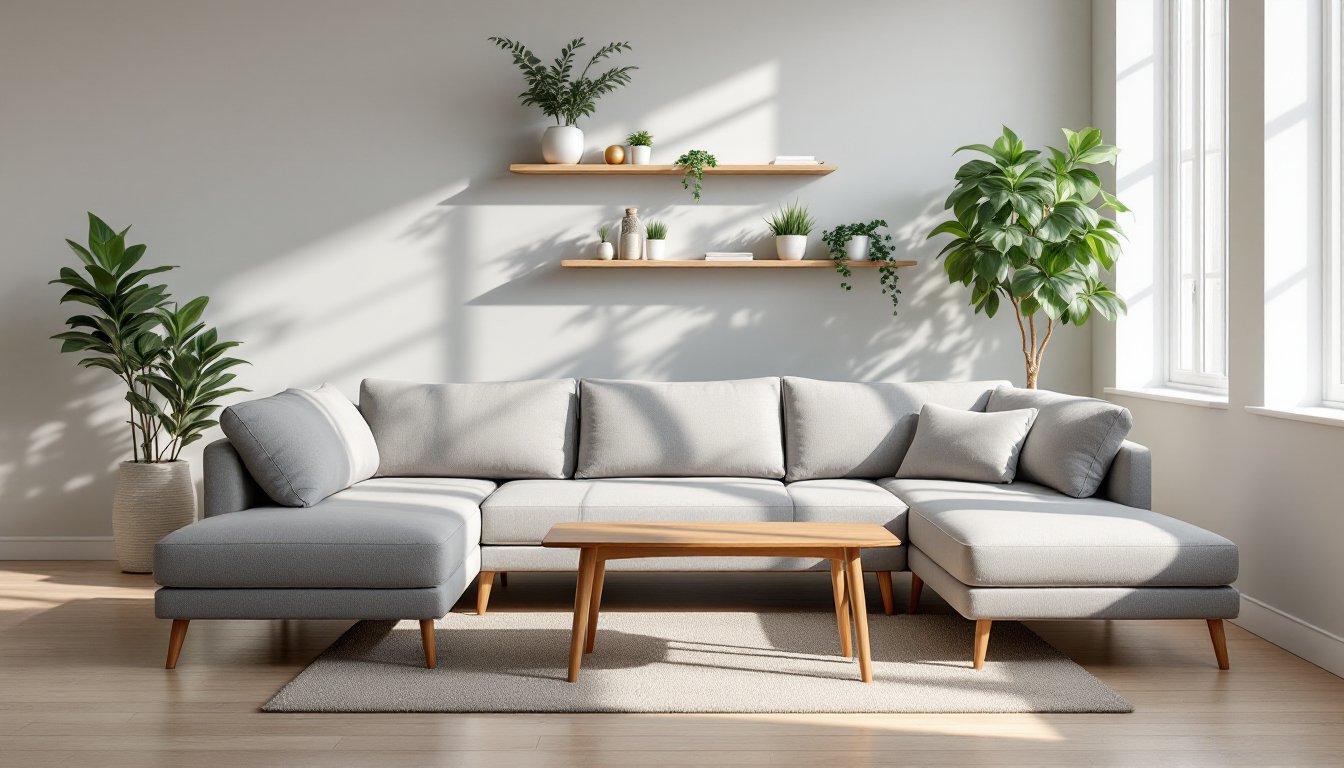
Modern sofa design in 2026 blends minimalism, function, and sustainability more than ever. Contemporary sofas prioritize clean lines, modular flexibility, and neutral tones, think low-profile backs, tapered legs, and reduced ornamentation. Many homeowners gravitate toward mid-century modern silhouettes (angular frames with splayed legs) or Scandinavian-inspired designs (compact, understated, and functional). The shift toward modular and sectional layouts continues strong: rather than a fixed three-seater, many buyers now choose pieces that reconfigure based on room changes or lifestyle needs.
Sustainability has become a legitimate design driver. Sofas made from certified wood frames, sustainably sourced fabrics, and recycled cushion materials appeal to environmentally conscious buyers, and they’re increasingly available at multiple price points. Industrial-leaning designs (exposed metal frames, concrete-like legs) and sofas with integrated storage have also gained traction for small spaces. Understanding these trends helps buyers avoid pieces that feel dated in three years while staying true to personal preference over pure trend-chasing.
Key Features to Look for in a Quality Modern Sofa
Materials and Upholstery Options
Upholstery choice matters as much as frame construction. Fabric options include natural fibers (linen, cotton, wool) and performance synthetics (microfiber, polyester blends). Linen and cotton feel premium and breathe well but stain more easily and may wrinkle: they suit low-traffic or formal living rooms. Wool naturally resists staining and odor, making it durable but pricier. Performance fabrics engineered to repel spills and resist fading suit households with pets or kids, they’re practical without sacrificing aesthetics.
Leather (genuine or high-quality bonded) adds sophistication and ages beautifully but requires conditioning and can mark easily. Vegan leather alternatives now perform comparably for less cost and zero animal content. Regardless of upholstery, check the thread count (higher is stronger) and ask about removable/washable cushion covers, this feature extends sofa life significantly.
The frame material typically goes unseen but drives longevity. Hardwood frames (kiln-dried oak, maple, or birch) with eight-way hand-tied springs or high-density foam cores outlast cheaper alternatives using particleboard or low-grade softwood. Request documentation of frame specs when buying: reputable brands provide this openly.
Comfort and Support Considerations
Comfort is subjective, but support is measurable. Cushion firmness depends on foam density and construction, measure in pounds per cubic foot (LB/CF). Standard comfort-level sofas use 24–28 LB/CF foam, while firmer options go to 30+ LB/CF and softer models drop to 20–22 LB/CF. Density directly affects how long cushions hold shape: low-density foam compresses after 18–24 months on heavily used sofas.
Seat depth and height matter for daily comfort. A standard seat height of 16–18 inches suits most people, while seat depth between 28–36 inches determines whether shorter or taller users feel supported. Try sitting on the sofa in-store if possible: scroll through customer reviews mentioning comfort durability over time, they’re gold. Watch for vague marketing (“cloud-like comfort”): instead, look for specifics on foam type, spring system, and whether the brand offers firmness guarantees.
Sizing and Space Planning for Your Living Room
Measure twice, order once. Start by measuring the living room opening where the sofa enters, doorways, hallways, and staircases are frequent bottlenecks that trap even lightweight sofas. Note width, height, and depth of all passages with a tape measure: sofas often need to be maneuvered at angles.
For the living room itself, the sofa should occupy roughly 60–70% of wall length without overwhelming the space. A standard three-seater runs 78–96 inches wide: test this against the wall you’re considering. Leave at least 18–24 inches between the sofa and coffee table for comfortable foot traffic and leg room. In small rooms, consider apartment-scale sofas (around 72 inches) or L-shaped sectionals that fit corner configurations more efficiently.
Check the sofa’s seat height and arm height against doorways and windows above it. A high-backed sofa (over 36 inches tall) can make a small room feel cramped. Conversely, low-profile modern sofas sit around 30–32 inches tall, which opens sightlines and works better in modest spaces. Take photos of your room layout and bring dimensions to the showroom: many retailers sketch placement options on-site.
Color, Texture, and Aesthetic Coordination
Neutral tones, charcoal, gray, beige, white, and navy, remain safest for resale and decorating flexibility. They pair with nearly any accent color and age gracefully. But, muted jewel tones (sage green, terracotta, dusty blue) have emerged as sophisticated alternatives in 2026, especially in mid-century and Scandinavian designs. If choosing color, consider lighting: north-facing rooms may feel cold in pale grays, while warm whites or soft greiges (gray-beige blends) bridge the gap.
Texture adds visual interest without fussy detail. Boucle, a nubby, looped weave, feels tactile and modern: corduroy offers structured charm: smooth velvet reads elegant but shows footprints. Pair sofa texture with other room elements, if side tables and shelving already have sharp lines, textured upholstery softens the look. Avoid matching textures identically to ensure the room feels intentional rather than matchy.
Coordinate the sofa with existing decor intentionally. If the room has wood tones (walnut, oak), sofas with exposed wood legs in matching or contrasting finishes create coherence. Legs in walnut, brushed steel, or matte black all read modern: spindle legs suit mid-century themes. Test samples under your home’s lighting before committing, fabric colors shift dramatically between showroom fluorescents and natural or LED home lighting.
Budget-Friendly Tips and Long-Term Value
A quality modern sofa typically ranges from $800–$3,500, depending on size, materials, and brand. Entry-level options start near $600 but sacrifice frame durability and cushion longevity. Mid-range sofas ($1,200–$2,000) often deliver the best durability-to-cost ratio, featuring solid hardwood frames and decent foam. High-end designer pieces exceed $3,000 for premium fabrics, specialized construction, or brand prestige.
To maximize value, prioritize frame and cushion quality over aesthetics: a sturdy frame outlasts any trend. Check warranties: reputable brands offer 5–10 year coverage on structural issues. Request a trial period if available (some retailers offer 30–60 day returns). Buy upholstery protection if pet owners or households with young children are involved: it’s typically $100–$300 but prevents permanent stains.
Consider purchasing from brands offering modular upgrades, replacing seat cushions or adding components later costs less than replacing an entire sofa. Online-direct retailers often undercut traditional showrooms by 20–40% but offer limited return policies: thoroughly review photos and specifications. Buying floor models or slightly discontinued colors can yield 15–30% discounts on perfectly good sofas. Finally, read long-term reviews on furniture retailer sites like Wayfair or Overstock: customer feedback after 2–3 years reveals whether a seemingly great sofa holds up in real homes.