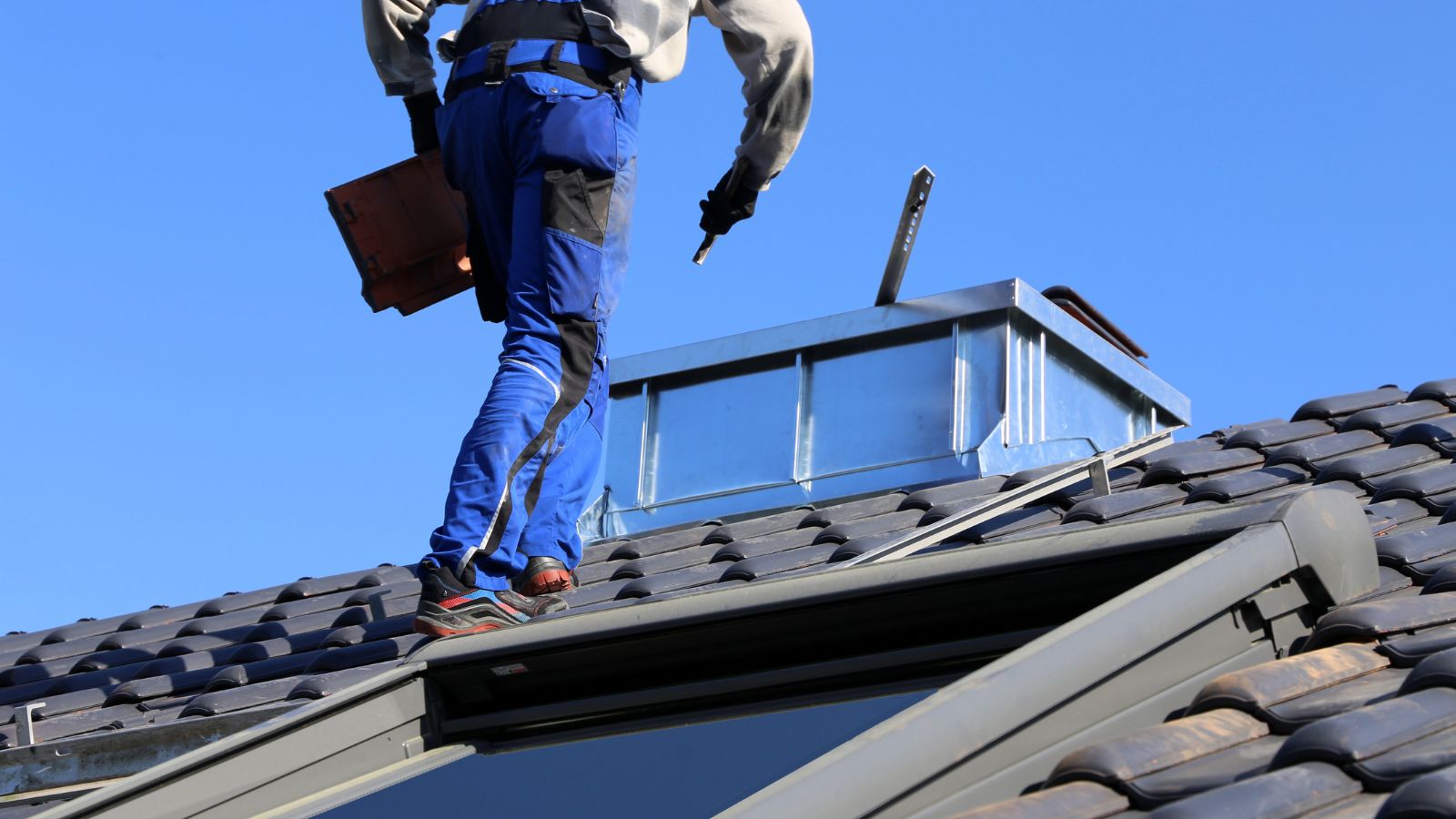
Extreme heat waves do more than make it hard to be inside. They can keep roofing systems running at temperatures higher than typical for days at a time, putting stress on shingles, membranes, sealants, flashing, and ventilation components simultaneously. When the sun shines on a roof all day, the materials expand and soften, then tighten again at night. This cycle can loosen fasteners and create small holes that grow over time. Heat can also make weaknesses worse, such as old underlayment, fragile seal strips, or worn flashing edges, turning small wear into apparent damage. After a heat wave, roofing services should look for what has been damaged, what has moved, and what might break next if the roof is not repaired.
Post heat wave roof checks
- Surface Material Stress and Early Warning Signs
Long periods of excessive heat can accelerate wear and tear on many types of roofs, especially if the roof is already old. Asphalt shingles may lose granules more quickly, split more easily, curl at the edges, or look slightly wavy where heat loosened the shingle, and it landed unevenly. In low-slope systems, heat can cause the membrane to shrink, the seams to tighten, and the surface to become scratched in high-traffic areas near HVAC units or access points. Metal roofing can also be affected because panels may slide at clips, fasteners may loosen, or noise and vibration may build over time, weakening connections. After a heat wave, it is smart to look at each slope from several angles carefully. This is because some changes caused by heat only appear when sunlight hits the surface in a specific way. If your roof has discoloration patterns, shiny spots, or an uneven texture, it may be aging faster in some places because it was hotter than usual.
- Sealants, Flashing, and Penetrations Under Heat Load
Heat waves might damage the flexible parts that keep water out during transitions. Sealants around pipe boots, skylights, vent stacks, and roof-to-wall junctions may dry out more quickly, pull away from edges, or become brittle sooner than expected. Flashing is another common place where tension builds up since it is where different materials contact and move. When metal expands against brick, siding, or shingles, it can cause small gaps to form along the step flashing or counterflashing lines. This is more likely to happen if the roof already had existing caulk lines or small separations before the heat wave. A vigilant Roof Inspector can also note changes at this time for planning maintenance, since it’s quicker and cheaper to fix small gaps before the next severe storm. After a heat wave, service should include checking fastener heads, inspecting rubber collars and gaskets, and ensuring that flashing overlaps and terminations remain tight. A roof may look great in open sections, but it may still be weak where heat is generated most.
- Ventilation and Attic Conditions After Prolonged High Temperatures
During heat waves, attic ventilation and insulation don’t work as well. When the intake and exhaust channels aren’t working well, the attic can get very hot, and the heat can go back up into the roof deck, making it even hotter. After very hot weather, service checks should include ensuring that soffit intakes are clean, ridge vents are continuous and not blocked, and any powered fans are running as they should without sucking air from the living room. Check the insulation for compaction, moisture, or holes that let hot attic air into the living spaces. Ductwork is another important component. When attics get too hot, it can stress flexible ducts, loosen tape joints, and reduce the HVAC system’s effectiveness. This indirectly affects the roof by keeping the attic hotter for longer. A roof that has been through a heat wave might not leak right away, but if the airflow is poor, the same stress pattern will occur every sunny day. Fixing ventilation problems can slow further wear and tear and reduce the risk of shingles warping or of adhesives and underlayment deteriorating too quickly due to heat.
- Underlayment, Decking, and Hidden Heat Effects
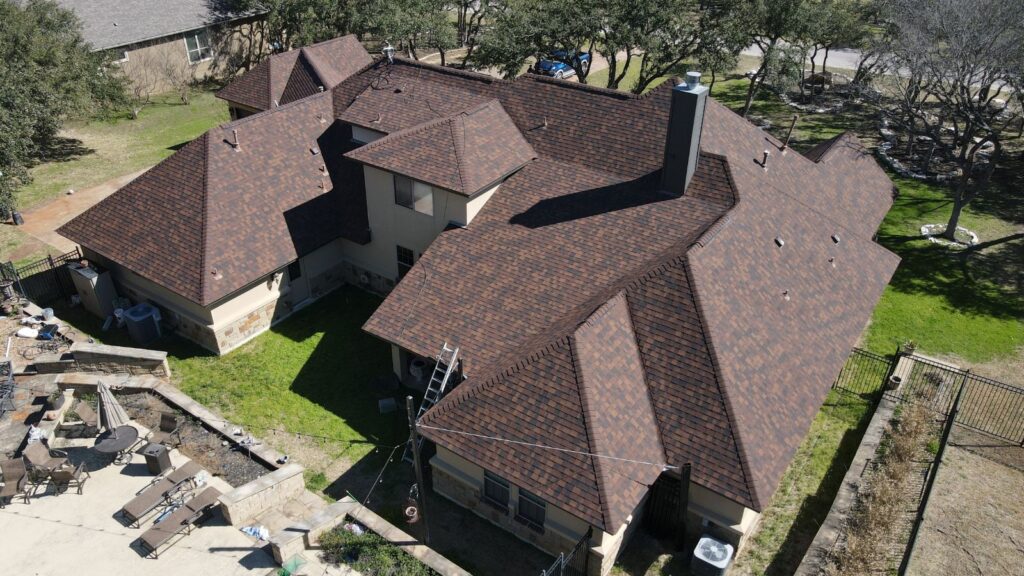
Some harm from heat isn’t easy to see from the ground. Repeated exposure to high temperatures can make underlayment more vulnerable, especially if it is old or has already been exposed to small amounts of moisture. When underlayment loses its flexibility, it becomes less forgiving around nails and edges. This makes it more likely that small tears or holes will spread. The roof decking can also be affected because heat dries wood quickly, causing it to shrink. This can make joints slightly wider or cause fasteners to move more. That movement can cause nail pops over time, which push up shingles and make it easier for water to get in when it rains again. After the heat wave, service should include checking for soft spots, uneven decking lines, and any signs that fasteners are moving up. For roofs with low slopes, insulation boards and cover boards should be checked for warping or separation at joints, as thermal cycling can stress attachment points. Heat waves often show weak spots that were already there; the service should approach the inspection as both a damage check and a health check of the system.
- Gutters, Drainage, and Storm Readiness After Heat
Extreme heat sometimes precedes sudden storms, and a roof that has just been under thermal stress may be more likely to leak when it rains heavily. When planning service, make sure the gutters are still appropriately sloped and securely fastened. This is because expansion and contraction might loosen hangers or cause portions to move significantly. Downspouts should be clear, and splash blocks or extensions should send water away from the foundation. This will prevent moisture from entering the attic. You should check the valleys and drainage channels on the roof for debris that may have baked onto the surface, including leaves that got trapped or spots of roofing tar that got dirty. If a heat wave makes seal strips softer, shingles may be more likely to get scuffed or moved during a rapid wind event. That’s why it’s crucial to examine the edges, rake lines, and ridge caps. Heat can also affect components on the roof, such as satellite brackets, solar mounts, and HVAC curb flashings. These should be checked for movement and watertight seals. After the heat, getting the drainage and attachment points ready can help keep the first big storm from turning thermal wear into water damage inside.
Practical next steps
Extreme heat waves can accelerate roof aging without anyone noticing. This is because they put stress on surface materials, dry out sealants, move flashing, and worsen attic conditions. After such events, the most important things to consider for roofing services are checking the entire system, fixing airflow or insulation issues that make the roof run hotter than it should, and focusing on weak transitions. Checking the drainage and attachments helps ensure that the next storm doesn’t take advantage of flaws caused by heat. When repairs are needed, using a long-lasting underlayment, stable flashing details, and heat-resistant sealants will help prevent breakdowns during future hot spells. When post-heat-wave service treats heat as a system-wide stress test and makes targeted repairs to address tight seams, inconsistent ventilation, and inconsistent water shedding, the roof lasts longer.