Table of Contents
ToggleA coffee table anchors the living room, it’s functional, visible, and sets the tone for the entire space. Whether someone is refreshing their décor or building a room from scratch, choosing the right coffee table can make or break the design. The challenge isn’t just finding any table: it’s finding one that fits the room’s style, serves its purpose, and works within the budget. In 2026, coffee table options range from sleek minimalist designs to bold statement pieces that demand attention. This guide walks through seven proven approaches that work in real homes, with honest talk about what each style demands and delivers.
Key Takeaways
- Living room coffee table ideas span seven proven styles—minimalist, rustic, industrial, multifunctional storage, glass, and statement pieces—each designed to fit different spaces and budgets.
- Minimalist coffee tables with clean lines and neutral tones make rooms feel bigger and less crowded, with store-bought options ranging from $150 to $500.
- Multifunctional storage tables solve clutter problems through lift-top designs and drawers, making them practical additions to living rooms that need hidden storage solutions.
- Durable materials matter: solid wood, tempered glass, and welded steel frames outlast cheap particleboard and prevent sagging or damage over time.
- A coffee table must fit the room’s style, serve its function, and work within budget—prioritize measuring clearance and height before selecting a design that reflects how the space gets used.
Modern Minimalist Coffee Tables
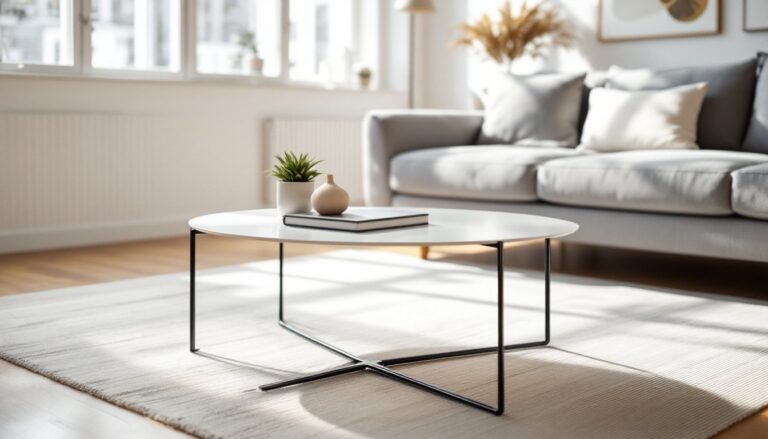
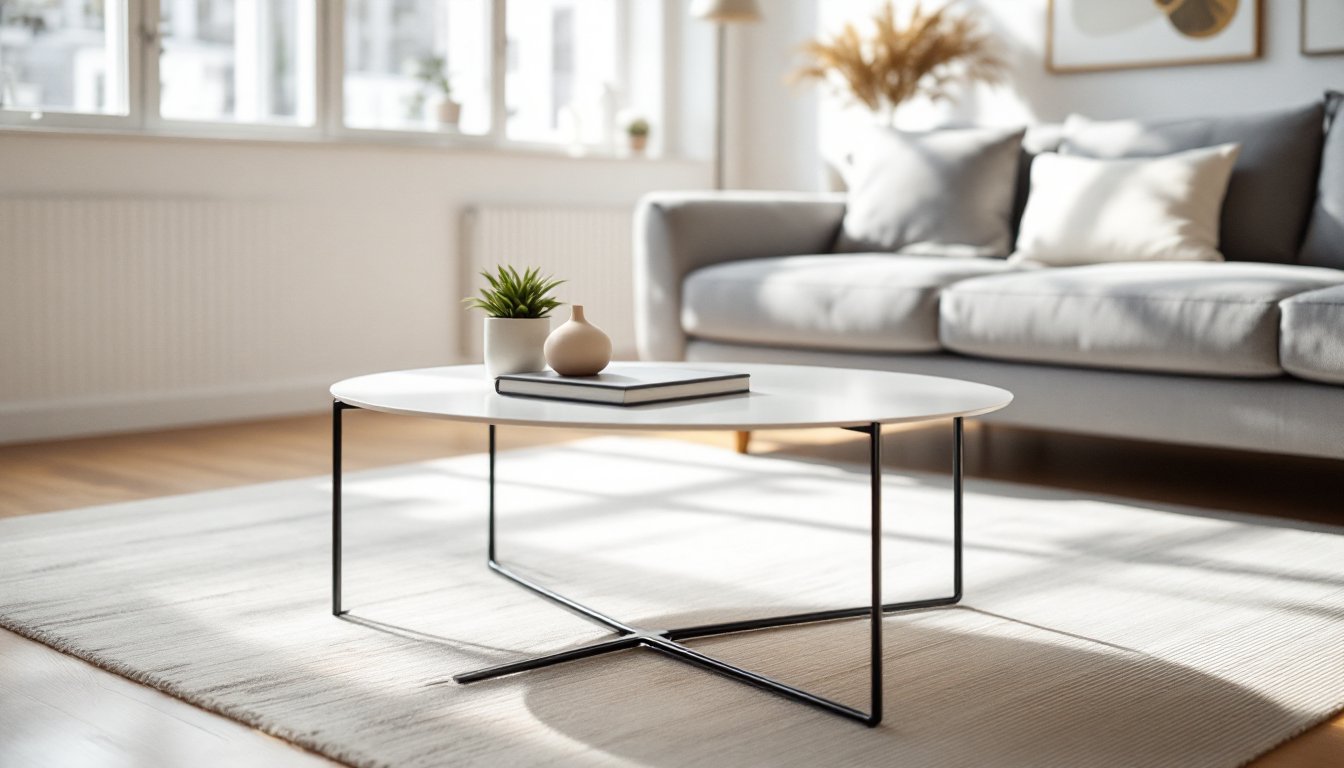
Minimalist coffee tables prioritize clean lines, neutral tones, and purposeful design. Think white lacquered surfaces, black metal legs, and glass tops with nothing extra. These tables work especially well in smaller living rooms or homes where visual clutter creates stress.
The appeal is real: minimalist pieces make a room feel bigger and less crowded. They’re also forgiving when it comes to decor, almost any styling choice looks intentional rather than chaotic. A white or natural wood surface with tapered legs creates air underneath the table, which is the secret weapon of minimalist design.
When shopping for minimalist tables, look for solid construction and quality joinery. Cheap particleboard with a veneer will chip and sag within a few years. A solid wood core or metal frame holds up to daily use. Many DIYers can build a simple minimalist table from 3/4-inch hardwood plywood, wood stain, and tapered legs (available pre-made at woodworking suppliers). Assembly is straightforward: glue and pocket holes do the job without visible fasteners.
Cost runs from $150 to $500 for store-bought minimalist tables, depending on material and finish quality. A DIY build costs less but requires basic carpentry skills and tool access.
Rustic Wood and Natural Materials
Rustic coffee tables celebrate wood grain, knots, and the natural imperfections that give a piece character. Reclaimed barn wood, live-edge slabs, and chunky timber bases are hallmarks of this style. Rustic tables pair well with earth tones, leather seating, and spaces that feel warm rather than sterile.
The durability of solid wood is a major advantage. A well-finished oak or walnut table will outlast trends and improve with age. Many rustic tables feature hand-hewn details or distressed finishes that hide minor dings and scratches, which is practical for families with kids or pets.
Building a rustic table is achievable for DIYers with intermediate skills. A simple design uses two 4×6 timber legs (or a stacked base), a live-edge wood top, and finishing oils or matte polyurethane. The wood needs to acclimate to the living room’s humidity for a few days before assembly: this prevents warping later. Joinery is forgiving because rustic style embraces visible joints and fasteners.
Authentic reclaimed wood costs more, $400 to $800 for a finished table, but carries unique history. New wood finished to look rustic runs $200 to $500. A DIY project using salvaged wood or new rough-sawn lumber might cost $100 to $300 in materials.
Industrial and Metal-Frame Designs
Industrial tables blend exposed metal, concrete, and reclaimed wood in designs inspired by warehouse and factory aesthetics. Steel tube frames, powder-coated finishes, and raw concrete or metal tops create bold, architectural statements. This style appeals to lofts, modern farmhouses, and spaces with exposed brick or ductwork.
Metal frames are incredibly durable and load-bearing when properly welded. A quality 1-inch steel tube frame can support significant weight without flex or wobble. The visual weight is lighter than the structural weight, so a steel-and-concrete table looks bold but doesn’t overwhelm a room.
DIY metal tables require welding skills or a trip to a metal fabricator. Those without welding experience can source a steel frame kit (available online from specialty suppliers) and pair it with a wood or concrete top. A concrete pour requires form-building and reinforcement mesh, manageable but messy and time-intensive. Concrete sealer or epoxy coating protects the surface from stains and moisture.
Industrial tables range from $250 (basic steel frame with wood) to $700+ (welded custom designs with concrete). A DIY welded table demands tool rental or fabricator fees, typically $150 to $300, plus material costs. The look rewards the effort: industrial pieces anchor eclectic, creative spaces.
Multifunctional Storage Tables
Multifunctional storage tables solve a universal problem: living rooms need hidden storage for remotes, blankets, games, and clutter. Lift-top designs, drawers, and shelving underneath keep the room looking clean without sacrificing surface real estate.
Lift-top mechanisms are the star feature here. Pneumatic struts (gas-assist hinges) make the top easy to lift and prevent finger pinches. Many lift-top tables have a hidden storage compartment for valuables, remotes, or reading material. The surface stays usable while closed, so guests never know it’s there.
Drawer pulls and knobs matter functionally and visually. Soft-close slides cost more but are worth it, drawers that slam are annoying every single time. Shelving underneath (open or with backing) adds display space without extra footprint. Design this section during the planning phase to avoid weak joints later.
Building a lift-top table requires careful measurement, quality ball-bearing drawer slides, and appropriate lift mechanisms. A simpler DIY approach uses a frame with two large drawers below, skipping the lift-top complexity. Plan for the top to sit flat and align with the base: misalignment looks sloppy.
Store-bought multifunctional tables run $300 to $800. DIY versions cost $150 to $400 in materials, assuming access to a workshop and basic power tools. The payoff is substantial: every living room needs this kind of hidden storage.
Glass and Transparency for Open Spaces
Glass-top coffee tables create visual lightness and work magic in small or cramped living rooms. Tempered glass tops (1/2-inch thickness minimum) rest on wood, metal, or stone bases for contrast. The transparency lets light bounce through, making the space feel airy even in dark corners.
Tempered glass is essential, regular glass shatters into dangerous shards, while tempered glass breaks into dull pebbles if damaged. Always specify tempered glass when ordering or having a custom top cut. Edge finishing (polished, frosted, or beveled) affects both safety and aesthetics.
Glass shows fingerprints and dust more than solid surfaces, so realistic expectations matter. Regular microfiber cloth cleaning keeps it looking pristine. For families with young children or pets, a matte or frosted finish hides marks better than clear glass.
Pairing glass with an interesting base is key. A dark metal frame, wood pedestal, or stone base becomes the visual anchor because the top is transparent. This design trick makes even modest bases feel more substantial. DIY glass tables are harder to build because cutting and finishing glass requires professional equipment. Sourcing a tempered top ($100 to $200) and building or purchasing a base is the practical approach.
Glass tables range from $200 to $600 depending on size, glass thickness, and base material. They’re ideal for renters or anyone wanting to maximize perceived space without renovation.
Statement Pieces and Bold Colors
Statement coffee tables refuse to blend in. Jewel-tone lacquered finishes, sculptural bases, geometric patterns, and oversized designs turn the table into art. These pieces work in living rooms with confident style and color schemes that welcome a focal point.
Bold doesn’t mean chaotic. A deep emerald green table with brass legs or a mustard yellow top with a sculptural base needs supporting décor that respects its presence. Neutral walls and subtle accessories let the table shine. If the room is already colorful, a table in a complementary accent shade ties everything together.
Statement tables challenge the “everything matches” instinct. They anchor a space and give permission for other elements to be bold too. This approach suits living rooms where someone isn’t afraid to make design choices.
Sculptural bases and custom finishes drive up costs. Expect to spend $400 to $1,000+ for genuinely striking pieces. DIY options include painting a basic table with high-quality lacquer or automotive-grade paint (requires proper prep, priming, and multiple coats) or commissioning a local artisan to create a custom design.
The risk of statement pieces is that trends move. A color that feels perfect today might feel tired in five years. Mitigate this by choosing timeless shapes and truly personal colors rather than chasing trends. A handmade ceramic or wood table with unique character ages better than a trendy paint color on a generic base.
Conclusion
The right coffee table does three things: it fits the room’s style, serves its function, and stays within budget. Whether someone chooses minimalist simplicity, rustic charm, industrial edge, storage smarts, glass transparency, or bold personality, the table should reflect how the space gets used. Start by measuring, know the height, width, and clearance the room allows. Then pick a style that resonates, compare materials and durability, and build or buy with confidence. A coffee table earned through thoughtful choice becomes a centerpiece worth the effort.