Table of Contents
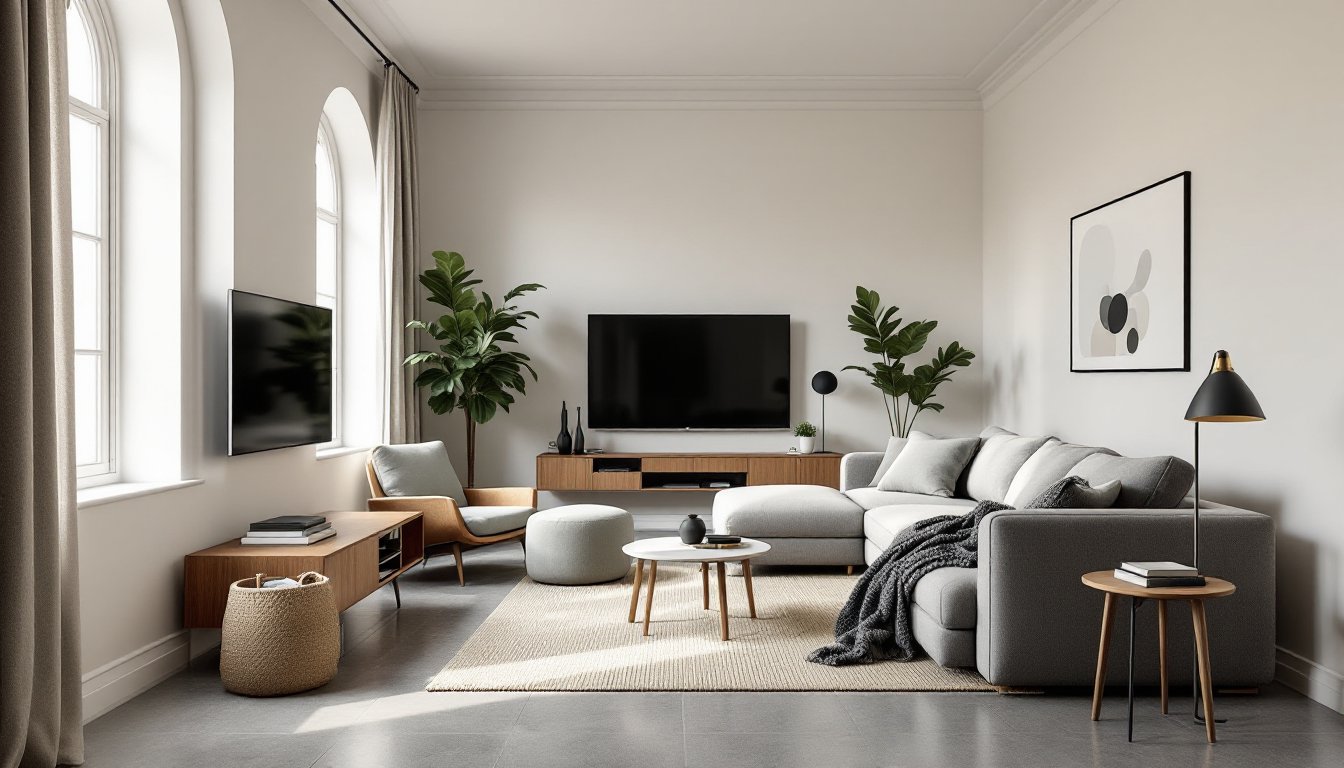
ToggleA modern grey and beige living room strikes that rare balance between calm and visual interest, restful without feeling bland. These neutral tones have dominated contemporary design for good reason: they’re versatile, timeless, and create a sophisticated backdrop that works with almost any aesthetic. Whether someone’s starting from scratch or refreshing an existing space, grey and beige offer flexibility to layer in personality through texture, lighting, and strategic accents. The key isn’t just picking paint colors: it’s understanding how to build depth into a neutral palette so the room feels intentional and inviting rather than institutional.
Key Takeaways
- A modern grey and beige living room balances calm with visual interest by pairing warm beige with cool grey tones, creating a sophisticated foundation that complements virtually any secondary color.
- Layer texture through varied materials like linen, leather, wood, and natural fibers to add depth and prevent a neutral room from feeling bland or institutional.
- Implement strategic three-layer lighting with dimmers and 2700K–3000K bulbs to shift your space from bright and airy during the day to warm and intimate at night.
- Use accent colors sparingly—limit secondary colors to 15% of visual space through pillows, art, or a single accent chair to maintain a timeless, modern design.
- Embrace negative space and restraint by editing ruthlessly; a single framed artwork or uncluttered surfaces signal sophistication far more effectively than filling every corner.
- Anchor your modern grey and beige living room with quality furniture featuring interesting silhouettes, consistent metallic finishes, and natural wood tones to avoid a flat appearance.
Why Grey And Beige Create The Perfect Modern Foundation
Color Theory And Timeless Appeal
Grey and beige work together because they occupy different parts of the neutral spectrum. Beige leans warm, pulling from yellows and browns, while grey brings coolness and contemporary edge. This contrast, subtle as it is, prevents the room from feeling one-dimensional. Neither color demands attention, which means they don’t compete with artwork, plants, or personal collections that make a space feel lived-in.
From a practical standpoint, grey and beige hide imperfections better than whites, don’t show dust as easily, and photograph well in natural light. They’re also forgiving if someone chooses to evolve the room later: these neutrals pair with virtually any secondary color without clashing. Blue-greens, warm terracottas, muted oranges, even jewel tones work because the foundation doesn’t fight back. In 2026, the trend leans toward slightly warmer greys (greige or taupe) paired with creamy, soft beiges rather than stark or overly cool versions.
Choosing The Right Furniture For A Neutral Aesthetic
Neutral walls set the stage, but furniture selection determines whether the room feels sophisticated or half-finished. Look for pieces with interesting silhouettes rather than bold colors, a sofa with angled arms, a chair with a tapered leg, or a credenza with clean lines will feel modern without adding chromatic noise.
Fabric matters significantly. A linen or linen-blend sofa in grey or warm taupe reads more refined than polyester, and it develops a beautiful patina over time. Leather in cream, grey, or warm brown tones adds texture and durability. Mix finishes: pair an upholstered seating area with wooden furniture (oak, walnut, or lighter woods) to avoid a flat, all-fabric appearance. Wood grain becomes a textural element in a neutral room.
Scale and proportion prevent the space from feeling cramped or echoing. An oversized sectional might anchor a large living area, while a pair of mid-century-style chairs with a console table behind works better in modest rooms. Layer in one accent piece, perhaps a statement chair in a dusty green or warm grey, to add personality without derailing the palette.
Lighting And Texture To Elevate Your Space
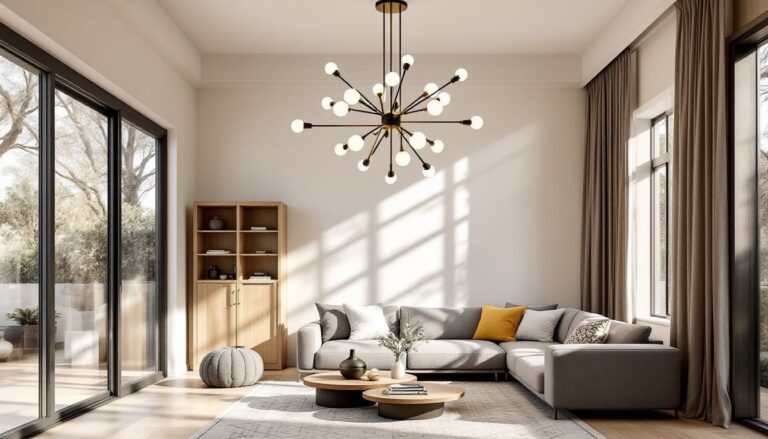
Lighting transforms a neutral room from quiet to complex. Install dimmers on overhead fixtures so the space can shift from bright and airy during the day to warm and intimate at night. Layer three types of light: ambient (overhead), task (floor or table lamps), and accent (wall sconces or uplighting). Different color temperatures matter too, aim for 2700K to 3000K bulbs in living areas to keep the warm, inviting feel consistent with the beige-and-grey palette.
Texture is where a neutral room reveals its sophistication. Introduce variety through layered materials: a chunky-knit throw blanket on the sofa, a shag or natural jute area rug, linen curtains with subtle texture, and perhaps a leather ottoman. These elements catch light differently and create visual and tactile depth. Raw materials like exposed wood shelving, concrete accents (if the style permits), or natural stone side tables add authenticity. Avoid matching everything, intentional mix-and-match feels more curated than a set-piece look.
Windows deserve attention. Soft, undyed linen curtains filter light beautifully and feel modern without fussiness. Pair them with a simple wooden or brushed-metal rod to keep lines clean.
Layering In Subtle Accents Without Overwhelming The Design
A monochromatic room risks monotony, so introduce a secondary accent wisely. Start with one color, sage green, dusty blue, or warm terracotta, and limit it to 15% of the room’s visual real estate. Introduce it through pillows, a small piece of art, or a single accent chair rather than painting a wall. This restraint keeps the design modern and timeless: trends in accent colors fade quickly, but a solidly designed neutral foundation endures.
Metallic accents (brass, brushed nickel, or matte black) add sophistication without color. A brass floor lamp, framed artwork with metal edges, or hardware on a media console catches light and breaks up the neutral tones. Keep metallics consistent, mixing too many finishes reads chaotic.
Plants and natural elements bring life to grey and beige. A tall fiddle leaf fig or cluster of potted greenery in the corner adds dimension and oxygen. Greenery works because it’s a natural accent that complements, not competes with, the palette. Woven baskets for storage, a jute throw pillow, or dried grasses in a tall vase add organic texture without color distraction.
Creating Visual Interest With Negative Space
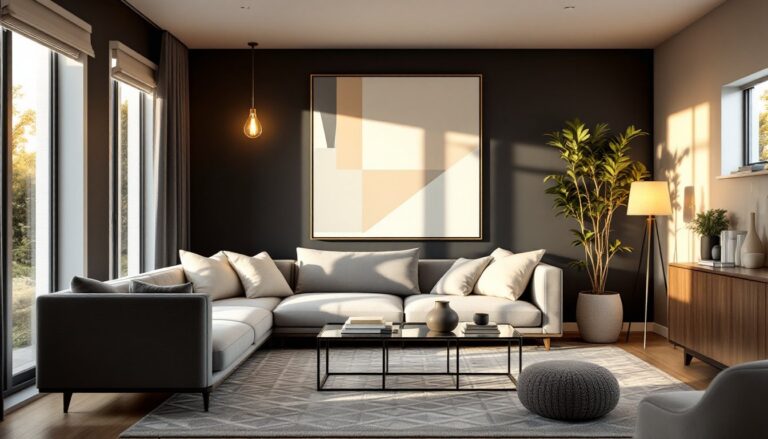
Modern design embraces breathing room. Resist the urge to fill every surface with décor, empty wall space, uncluttered side tables, and open shelving (not packed tight) signal sophistication and calm. A single piece of framed art on a large wall often reads more striking than a gallery wall because it forces the eye to rest and appreciate the composition.
Arrange furniture to define zones without walls. A sectional facing a media console, an accent chair angled toward a window, and a side table between two pieces create intentional gathering spots. Leave adequate walkways so the room doesn’t feel cramped or obstacle-strewn. In smaller living rooms, mounting a TV on the wall and using a floating media console underneath maximizes floor space and keeps sightlines clear.
Stacking or layering creates depth without clutter. A console table in the entryway with a single lamp and a small stack of books feels purposeful: the same table overloaded with décor feels busy. Edit ruthlessly, if something doesn’t serve a function or feel meaningful, move it out.
Final Touches That Bring Cohesion To Your Design
The details knit everything together. Ensure baseboards, trim, and ceiling are painted in a coordinating shade, bright white trim against warm walls can feel dated, while softer whites, creams, or even painted ceilings in a lighter grey add polish. Paint isn’t permanent: testing large samples on walls in real light (morning and evening) ensures accurate color matching before committing.
Flooring anchors the entire scheme. Natural wood, light grey tile, or a neutral concrete-look porcelain work beautifully. An area rug in natural fibers or subtle pattern grounds the seating area without introducing busy color. Size matters, a rug should extend at least 18 inches beyond the seating area’s perimeter so it feels intentional, not accidental.
Curtains, hardware, and small fixtures like door handles deserve thought too. Matte black, brushed brass, or satin nickel hardware feels contemporary: shiny brass feels dated. Lightweight linen curtains in cream or soft grey maintain the sophisticated, airy feel. These finishing touches, often overlooked, transform a room from pleasant to polished.
<h2 id="” data-id=””>Conclusion
A modern grey and beige living room doesn’t happen by accident, it’s built through intentional decisions about neutrals, texture, light, and restraint. The palette creates calm, but the layering creates interest. By balancing solid foundations with thoughtful accents, natural materials with contemporary hardware, and populated spaces with breathing room, a homeowner builds a living area that feels both timeless and completely current. Start with quality pieces, test paint samples in natural light, and edit ruthlessly. The result is a room that’s genuinely sophisticated, not just trendy.