Table of Contents
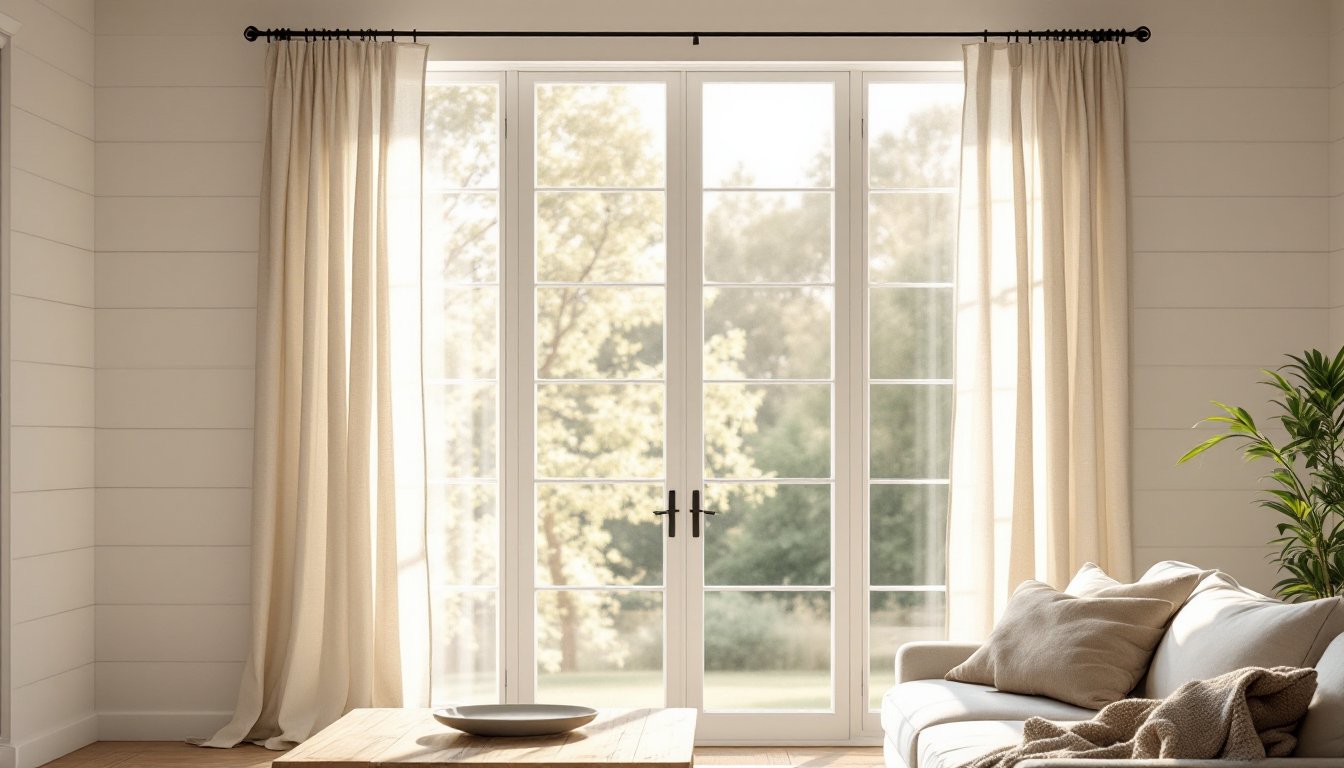
ToggleModern farmhouse style brings rural charm and understated elegance into contemporary homes, and the right curtains anchor this entire aesthetic. Modern farmhouse curtains for living rooms blend natural textures, neutral tones, and clean lines, creating a space that feels both lived-in and intentional. Whether someone is renovating a formal living space or refreshing a cozy den, selecting the right window treatments sets the tone for the whole room. This guide walks through the defining characteristics of farmhouse curtains, how to choose options that fit a specific space, and practical styling combinations that pull the look together.
Key Takeaways
- Modern farmhouse curtains for living rooms blend natural fibers like linen and cotton with neutral tones and clean lines to create an intentional, lived-in aesthetic.
- Choose fabrics with visible texture such as herringbone or waffle weave in creams, soft whites, warm taupes, and sage greens to anchor the modern farmhouse style without visual clutter.
- Mount curtain rods near the ceiling edge and select floor-length styles to elongate the room and maximize light, then layer with sheers or linings based on your light control needs.
- Pair natural linen curtains with simple wrought-iron or whitewashed wooden rods and complementary elements like roman shades or wooden shutters for a cohesive, uncluttered look.
- Maintain modern farmhouse curtains by washing in cool water on delicate cycles, air-drying when possible, and protecting from direct sunlight to preserve their natural beauty for years.
Understanding Modern Farmhouse Style
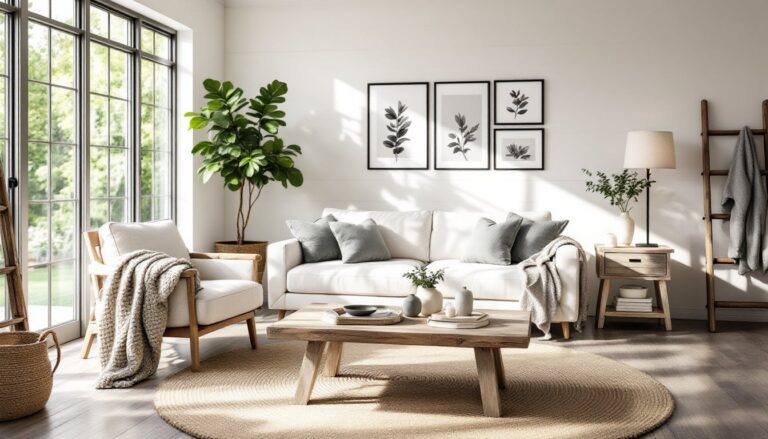
Modern farmhouse emerged in the early 2010s as a response to industrial minimalism and rustic excess. It strips away barn aesthetics to keep only the warmth, exposed wood, wrought iron, and textured fabrics, paired with clean, contemporary lines and plenty of white space. Think old country comfort meets Scandinavian simplicity.
This style doesn’t nostalgize the past. Instead, it borrows authentic elements (linen, wool, reclaimed wood textures) and frames them with modern sensibilities: neutral color palettes, streamlined furniture silhouettes, and functional design. Farmhouse living rooms often feature open shelving, shiplap accents, and layered lighting, all softened by soft furnishings like curtains and throws.
Curtains play a critical role because they occupy significant wall space and directly affect light, mood, and perceived color temperature in a room. The right pair doesn’t just cover windows: they anchor the farmhouse narrative while maintaining that modern restraint.
Key Characteristics of Farmhouse Curtains
Farmhouse curtains share a few unmistakable qualities. They favor natural fiber aesthetics, soft and muted color palettes, and textures you can almost feel by looking at them. Patterns, when present, lean toward classic stripes, checks, or botanical prints, never busy florals or high-contrast geometrics.
Fabric Types and Textures
Linens and linen blends dominate modern farmhouse curtains because they embody that natural, slightly imperfect quality the style celebrates. Pure linen has a subtle slub texture (those tiny irregularities in the weave) that catches light beautifully and softens over time with washing, no ironing required, and wrinkles are part of the charm.
Cotton twill, heavyweight cotton canvas, and cotton-linen blends offer durability and similar visual warmth at lower price points. Linen-cotton blends in particular balance budget and authenticity: they’re easier to care for than 100% linen while retaining that fabric hand (the feel and drape). Avoid poly-blends with synthetic sheens, they read as contemporary and clash with farmhouse authenticity.
Texture matters as much as fiber. Look for weaves with visible character: herringbone, waffle weave, or loosely woven linens that hint at handcraft. Flat, plastic-looking fabrics undermine the aesthetic, even in neutral colors.
Colors and Patterns
Color palettes stick to creams, soft whites, warm taupes, sage greens, and muted charcoals. These work because they don’t compete with walls (often white or off-white in farmhouse homes) and let natural light dominate. A cream or ivory curtain diffuses sunlight softly: a bold navy would create visual weight that feels jarring in a room designed for ease.
Stripes, whether thin ticking stripes or wider vertical stripes, work beautifully and add subtle movement. Checks and buffalo checks bring checked pattern energy without feeling cutesy. Botanical prints should be restrained: delicate herbs, wildflowers, or toile-style designs, not bold botanical maximalism. Solid weaves with tonal texture variations feel the most versatile.
How to Choose the Right Curtains for Your Space
Choosing farmhouse curtains requires measuring windows properly and considering the room’s light exposure, existing color scheme, and functional needs.
Measure from the ceiling to floor (or sill, depending on style preference). Floor-length curtains elongate the room and feel more intentional: café-style curtains (ending at the sill or just below) work in kitchens or casual spaces. Mount rods near the ceiling edge, not directly above the window frame, this stretches the visual space and maximizes light when curtains are drawn open.
Consider light control honestly. Sheer linen or cotton lets diffused light through and works for living rooms where soft ambient light is acceptable. If blackout capability matters (for afternoon glare or nap time), layer sheers over heavier lined curtains, or opt for lined panels in a medium-weight cotton or linen-blend. Lining adds structure, improves insulation slightly, and protects fabric from UV fading.
Account for the room’s undertone. A north-facing room (cooler, bluer light) suits warm creams and off-whites. A south-facing room (warm, golden light) can handle slightly cooler tones like sage or greige (gray-beige). Pull paint samples and fabric swatches, then view them at different times of day, morning light and evening light tell different stories.
Drapery weight affects how curtains hang. A lightweight linen drapes loosely and moves with air currents, casual and romantic. A heavier cotton canvas or lined linen hangs crisply with defined folds, structured and contemporary. Neither is wrong: it depends on the room’s energy.
Styling Ideas and Design Combinations
Modern farmhouse curtains shine when layered and paired thoughtfully with other elements.
Pair natural linen curtains in cream with dark wrought-iron rods for contrast and visual interest. The rod becomes an intentional accent. Alternatively, simple wooden dowels in natural or whitewashed finishes echo ceiling beams or shiplap and feel authentically farmhouse.
Layer with a simple valance or linen swag at the top if the window treatment feels sparse. A structured linen valance in a tonal stripe adds definition without bulk. Skip fringe, tassels, or ornate trim, keep it minimal and modern.
Wall color matters enormously. White or cream walls let neutral curtains recede: the room stays light and open. If walls are painted (soft greige, warm white, or a muted color), curtains should harmonize or provide subtle contrast, never clash. A cream curtain on a cool white wall can look yellowish: shift to a cooler ivory or consider a pale green if walls lean sage.
Pair curtains with simple, flat-panel roman shades in matching or complementary fabric for layered elegance. Or hang curtains alongside wooden shutters (real or faux) for a classic farmhouse combination that controls light and adds architectural interest.
Accessorize thoughtfully: a simple linen throw folded over the sofa, a wooden side table, wrought-iron wall sconces, and a few pieces of pottery create cohesion. Avoid mixing too many competing textures or metallic finishes.
Maintenance and Care Tips
Natural fabrics require gentle care but reward it with aging grace.
Wash linen and cotton curtains in cool water on a delicate cycle, turning them inside-out to minimize fading. Detergent designed for delicate fabrics (like Eucalan or Woolite) is gentler than standard options. Air-dry whenever possible, machine drying degrades fibers and can cause shrinkage, though 100% linen accepts a low-heat tumble better than cotton-linen blends.
Light wrinkles in linen are acceptable and add to the charm. If pressing is necessary, use a warm iron on the reverse side. Never use high heat on linen: it weakens the fibers.
Protect curtains from direct, intense sunlight by using sheer panels as a buffer, especially in south-facing rooms. UV rays fade even neutral tones over time. Rotating curtains seasonally (if possible) extends their life.
For dust buildup, vacuum panels monthly using an upholstery attachment on low suction, or use a lint roller carefully. Spot-treat stains immediately with cool water and a gentle cloth, no harsh scrubbing. Heavy stains require professional dry cleaning, which is ideal for preserving heirloom-quality linens.
Store off-season curtains in breathable cotton bags (never plastic), away from direct light and moisture. Proper storage keeps them ready for decades.
Final Thoughts
Modern farmhouse curtains succeed because they balance authenticity with restraint. They’re not about recreating a 19th-century farmstead: they’re about bringing that aesthetic’s warmth and honesty into a contemporary home. By choosing quality natural fabrics in soft, neutral tones and pairing them with simple rods and complementary furnishings, homeowners create living rooms that feel both timeless and current. The key is patience: resist trends, invest in good materials, and let the space evolve naturally. That’s the farmhouse promise, comfort without compromise.