Table of Contents
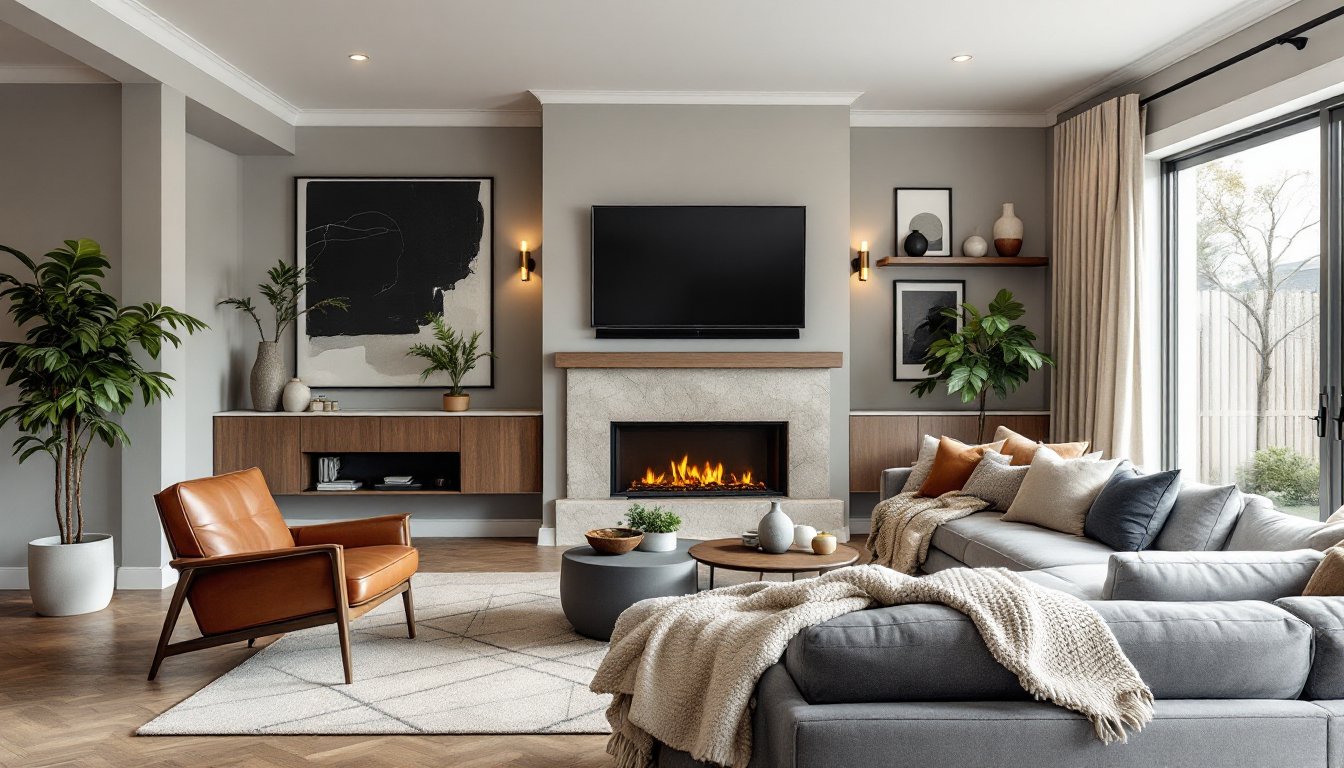
ToggleGrey and brown have emerged as the go-to neutral palette for contemporary living spaces, and for good reason. These earthy, grounding tones provide a sophisticated backdrop that feels both warm and modern, unlike sterile all-white schemes. A modern grey and brown living room works with nearly every decorating style, from minimalist to industrial to transitional. The combination balances the coolness of grey with the warmth of brown, creating visual interest without the design chaos of a multi-color approach. Whether someone’s starting from scratch or refreshing their current space, these two colors offer flexibility, timelessness, and the perfect foundation for layering textures, patterns, and accent pieces that reflect personal style.
Key Takeaways
- A modern grey and brown living room balances cool grey with warm brown tones to create a sophisticated, intentional space that feels contemporary and avoids the coldness of all-white schemes.
- Test color samples on your walls in different lighting conditions before committing—a warm brown under afternoon light may shift under evening bulbs, and grey undertones can read blue, green, or beige depending on the light.
- Layer accent colors strategically to add depth to a grey and brown palette; forest green, muted mustard, or dusty teal work well but should not exceed 10–15% of the room’s visual area.
- Choose furniture that bridges the grey-brown divide, such as a grey upholstered sofa paired with brown leather chairs and walnut-stained wood pieces, then anchor the layout with an appropriately sized area rug.
- Use layered lighting with warm white (2700K) or soft white (3000K) bulbs in matte black or brushed nickel fixtures to enhance the richness of grey and brown without washing out warm tones.
- Finish the space with textured accessories like throw pillows, chunky knit throws, and wall art in earth tones; repeating accent colors across multiple elements creates a cohesive, curated look.
Why Grey and Brown Makes the Perfect Neutral Foundation
Grey and brown work together because they share natural origins and avoid the starkness of black and white. Grey reads as sophisticated and calm, it’s the color of concrete, stone, and smoke, while brown connects to wood, leather, and earth. Neither demands attention, so they let furnishings, art, and texture take center stage. This pairing also sidesteps common pitfalls: a room that’s all white feels cold: all beige feels dated. Grey and brown, by contrast, feel intentional and contemporary.
From a practical standpoint, these neutrals hide wear and dust better than light colors while remaining brighter than dark schemes. They work in any light condition, morning sun won’t fade grey and brown into a washed-out mess, and artificial lighting won’t make them look dingy. The combination also appeals to resale value: neutral, well-designed living rooms attract more potential buyers than heavily themed spaces.
Color Palette Combinations That Work Best
Warm Brown and Cool Grey Balance
The key to a cohesive modern grey and brown living room is managing temperature. Warm browns, think chocolate, caramel, or cognac tones, pair beautifully with cooler greys that have blue or purple undertones. This creates visual tension that feels dynamic without clashing. If the brown leans warm, dial up the grey’s coolness. Conversely, a cool brown (like taupe or greige) can handle warmer greys that contain hints of beige or greige.
When selecting paint or large furniture pieces, test samples in the actual room at different times of day. A brown that looks rich in afternoon light might shift warmer under evening bulbs. The same applies to grey, some samples read almost blue, others almost green. Buy sample quarts and paint 2-by-3-foot swatches on the wall: live with them for a few days before committing.
Adding Accent Colors for Depth
Grey and brown alone can feel flat. Layer in accent colors strategically to add dimension. Deep forest green works exceptionally well with this palette, it’s earthy, modern, and complements both grey and brown without competing. Muted mustard yellow, dusty teal, or charcoal-black accents also read well. Keep accents to 10–15% of the room’s visual area: a sofa throw, two accent chairs, or a single accent wall.
For a cohesive look, repeat accent colors across multiple elements, if the throw pillow is forest green, echo it in a piece of wall art or a plant container. Avoid introducing too many accent shades: three colors total (grey, brown, plus one accent) creates sophistication. Four or more colors, unless expertly balanced, splinter focus.
Furniture Selection and Layout Strategies
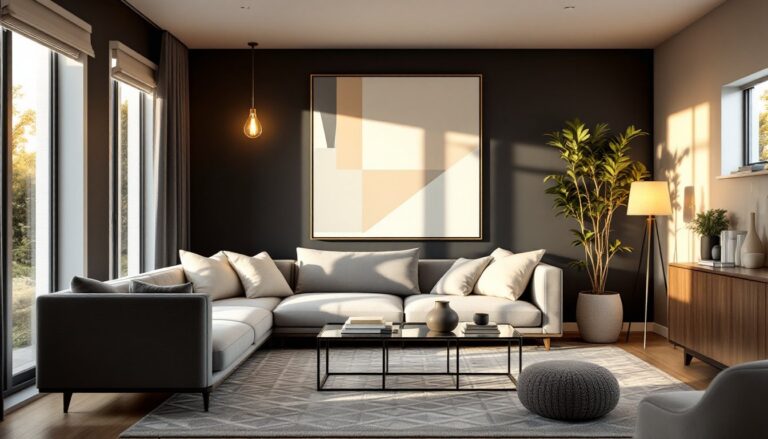
The sofa anchors a living room, so choose a piece that sits comfortably between grey and brown. A grey upholstered sectional or sofa is versatile and reads modern: pair it with brown leather accent chairs, wooden side tables, or a brown area rug to ground the space. Alternatively, a brown upholstered sofa works if the rest of the palette skews grey, walls, curtains, and accent furniture in greys and cool tones will prevent the brown from overwhelming.
Wood furniture deserves attention because wood tone is crucial. Mid-tone walnut or ash-stained pieces complement grey and brown beautifully: they’re neither too light nor too dark. Avoid honey-toned oak unless the brown accent color is very warm: it can clash or feel disjointed. Metal frames, brushed steel, gunmetal, or even matte black, add industrial edge and modernize the space without introducing new colors.
Layout matters as much as material. Arrange seating to face a focal point (TV, fireplace, or large window). Create conversation zones by angling chairs 45 degrees inward rather than all facing one direction. Leave clear pathways: a cramped living room feels smaller. Anchor the seating area with an appropriately sized area rug in grey, brown, or a subtle pattern combining both. The rug should extend under the front legs of major furniture: too-small rugs make rooms feel disconnected and cheap.
Lighting and Accessories to Complete the Space
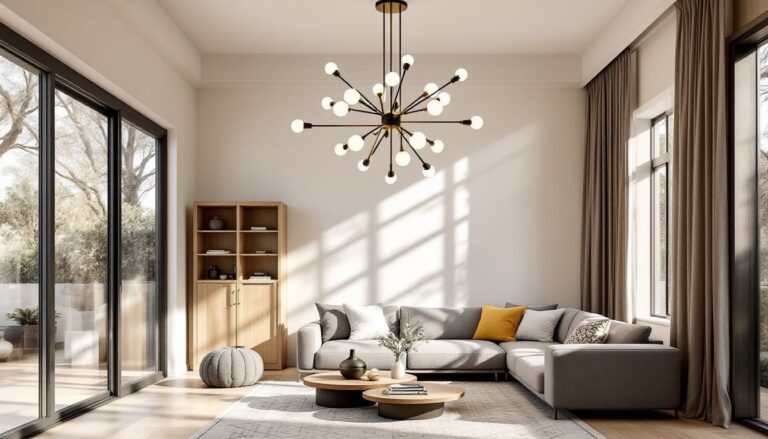
Lighting transforms a space. A modern grey and brown living room needs layered lighting: ambient (overhead or recessed), task (reading lamp), and accent (uplighting or wall sconces). Overhead fixtures in matte black, brushed nickel, or bronze frames complement the palette without clashing. Pendant lights or a statement chandelier in metal finishes add contemporary flair. Avoid bright white bulbs (they wash out warm tones): instead, use warm white (2700K) or soft white (3000K) LEDs that enhance grey and brown’s richness.
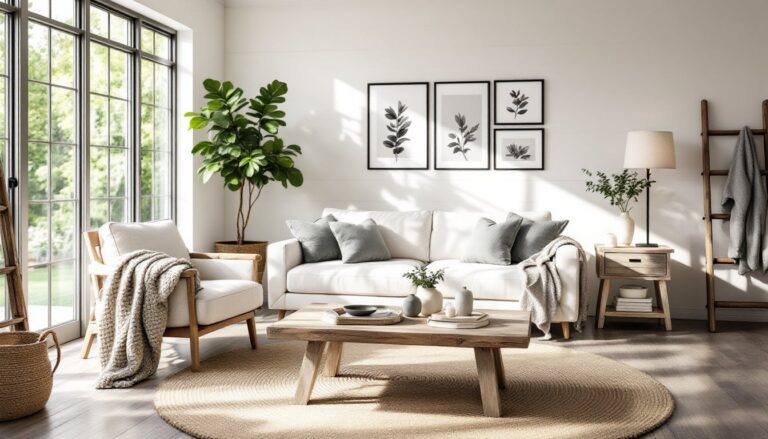
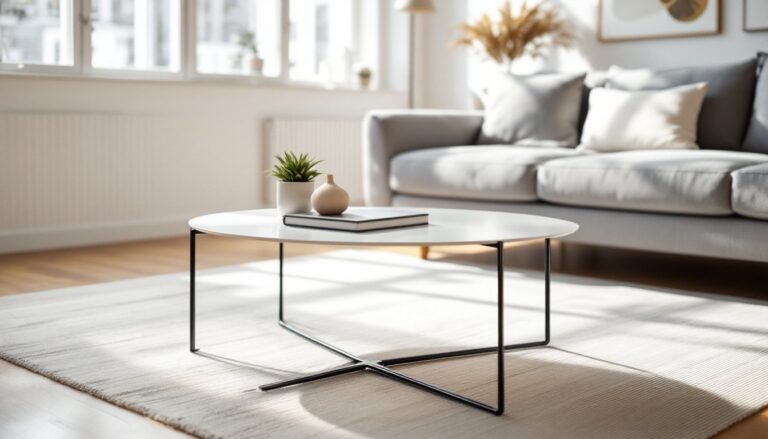
Accessories finalize the design without very costly. Throw pillows in textured fabrics, linen, wool, or faux linen, add softness to a grey sofa. Mix pillow colors: solid grey, solid brown, and patterned cushions that combine both. A chunky knit throw over the sofa or accent chair adds coziness and texture. Coffee table styling matters: a stack of design books, a wooden tray with a candle or small plant, and a sculptural object create visual interest without clutter.
Wall art anchors the design. Large-scale abstract art featuring greys, blacks, and browns ties the palette together. A gallery wall of framed black-and-white photographs or a single statement piece above the sofa adds personality. Floating shelves displaying ceramic vases, wooden bowls, or small sculptures in earth tones echo the colour scheme. Plants in grey or terracotta pots introduce life and warmth: pothos, monstera, or fiddle leaf figs work well in medium light. Area rugs, curtains in solid grey or subtle patterns, and hardware finishes should all align: if furniture uses brushed nickel, wall sconces should too.
Conclusion
A modern grey and brown living room is achievable, timeless, and endlessly customizable. The palette provides a calm, sophisticated foundation that works with nearly every design style and architectural setting. By balancing warm browns with cool greys, layering textures, and introducing strategic accent colors, anyone can create a space that feels both curated and inviting. The key is testing colors on walls, choosing quality furniture that bridges the grey-brown divide, and using lighting and accessories to add depth. The result: a living room that looks designed, feels comfortable, and stands the test of time.