Table of Contents
ToggleA modern living room table does more than anchor the seating area, it sets the tone for the entire room. Whether someone’s renovating a starter apartment or refreshing a family home, selecting the right coffee or accent table involves balancing aesthetics, functionality, and durability. In 2026, modern living room tables blend clean lines with practicality, offering homeowners options that work with nearly any décor scheme. This guide walks through what makes a table “modern,” the materials and finishes worth considering, sizing strategies that actually work, style categories that resonate today, and features that elevate everyday living. By the end, anyone shopping for or building a living room table will know exactly what to look for.
Key Takeaways
- Modern living room tables prioritize clean lines, honest materials, and purposeful design over ornamental details, making them versatile enough for any décor style.
- Solid hardwoods, quality veneer, metal frames, and tempered glass are the best material choices, with matte or satin finishes offering superior durability and fingerprint resistance.
- Proper sizing—coffee tables 36–48 inches wide and 16–18 inches tall with 12–18 inches of clearance from the sofa—ensures both comfort and functionality.
- Contemporary styles like minimalist, industrial, and mid-century modern each offer distinct aesthetics, and blended approaches work well if proportions and materials complement each other.
- Functional features such as storage shelves, height-adjustable tops, integrated USB ports, and locking casters add practical value, but solid joinery and construction quality matter more than trendy add-ons.
What Defines a Modern Living Room Table
Modern design isn’t about being trendy or deliberately minimalist, it’s about honest construction and intentional form. A modern living room table prioritizes clean geometry: straight lines, geometric shapes, and absence of ornamental carving or fussy details. Unlike traditional tables laden with turned legs and crown molding, modern tables show their structure proudly.
The key hallmarks include simple silhouettes, functional materials chosen for their visual and tactile qualities (not hidden), and proportions that feel balanced rather than fussy. A modern table doesn’t apologize for what it is, solid wood top, steel frame, glass shelf, everything is visible and purposeful.
Modern doesn’t mean cold or unfriendly. Many contemporary tables incorporate warmth through natural wood grain, soft finishes, or organic curves. The distinction is intention: every element serves a purpose, whether structural, functional, or aesthetic. This philosophy makes modern tables remarkably versatile: they work equally well in a loft, a cottage, or a traditional home because they don’t demand a specific era or style context.
Popular Materials and Finishes
Wood, Metal, and Glass Options
Wood remains the foundation of most living room tables, and modern design embraces its honest character. Solid hardwoods like walnut, oak, and maple are premium choices: they accept stain or are left natural to showcase grain. Veneer over plywood or MDF (medium-density fiberboard) is budget-friendly and stable, don’t dismiss it as inferior. A quality veneer won’t splinter or cup the way solid wood can, especially in climate-controlled homes. Medium-density fiberboard itself is denser and more uniform than particleboard and works well for painted finishes.
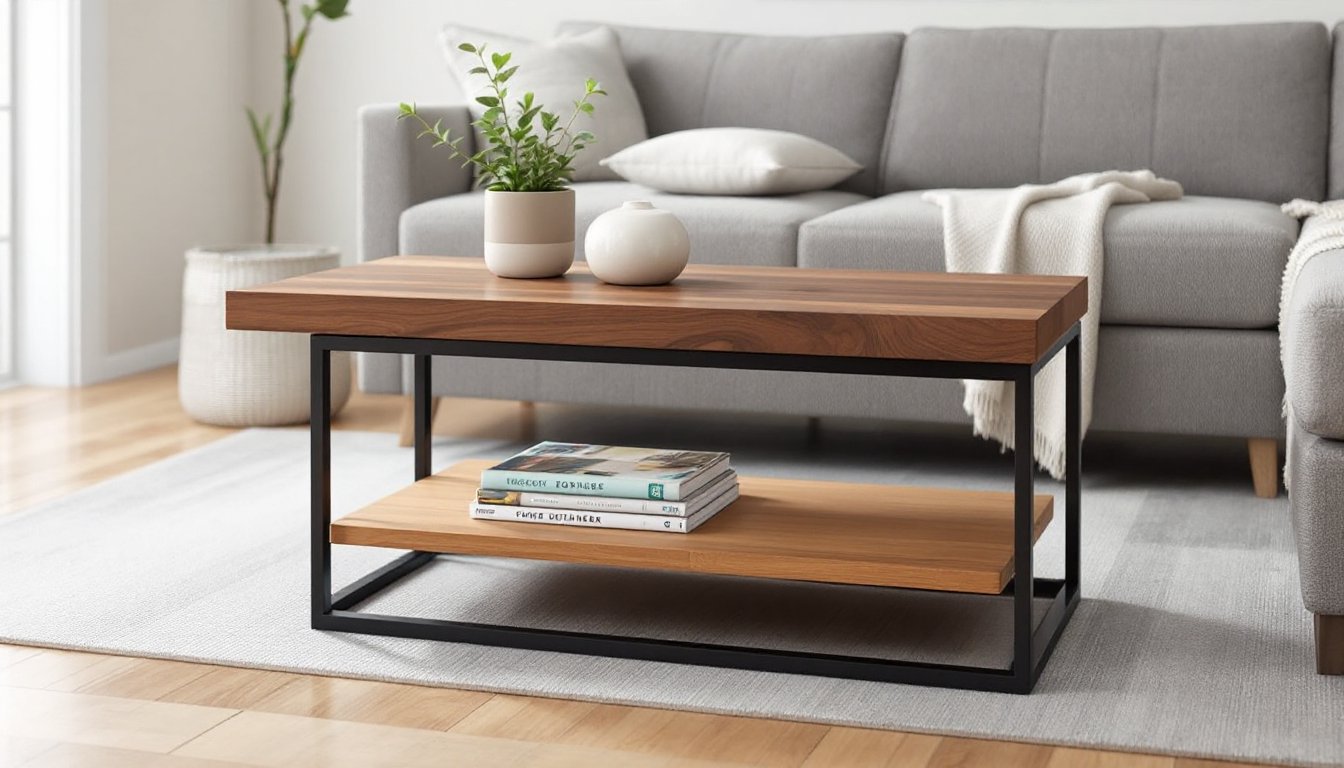
Metal legs and frames, steel, iron, or aluminum, define contemporary industrial aesthetics. Raw steel with a clear coat develops a subtle patina: powder-coated finishes in matte black, white, or gray eliminate rust and require minimal maintenance. Aluminum is lightweight and corrosion-resistant, ideal for lighter-duty tables or accent pieces. Metal and wood combinations feel balanced: a walnut top on steel legs, for example, pairs organic warmth with industrial precision.
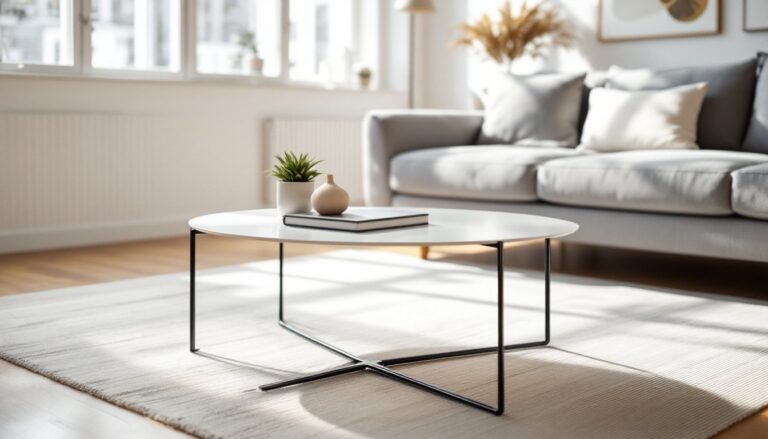
Glass tops (tempered, always) feel airy and modern. They’re easy to clean but show dust, fingerprints, and rings. A frosted or tinted glass top reduces visibility of imperfections. Glass works best paired with substantial bases, exposed wood or metal frames, so it doesn’t feel flimsy. Avoid thin unsupported glass: it flexes and feels wobbly.
Finish choices matter as much as material. Matte or satin finishes hide fingerprints and dust better than gloss. Oil finishes on wood develop character over time: polyurethane topcoats provide durability and water resistance. For tables in high-traffic homes with kids or pets, a hard urethane or conversion varnish finish withstands abuse better than softer lacquers.
Size, Shape, and Layout Considerations
Table size should never be guessed. Measure the seating area, especially the distance from the sofa to any adjacent chair or console. A coffee table typically sits 12 to 18 inches away from the sofa. The table’s width and depth should allow someone to walk around it without stubbing toes: roughly 2 feet of clear space on all sides is comfortable.
Standard coffee tables are 36 to 48 inches wide, 18 to 24 inches deep, and 16 to 18 inches tall. A table taller than the sofa arm feels awkward: shorter than 14 inches will feel too low. Side tables or accent tables are smaller, often 20 to 30 inches wide and 12 to 18 inches deep. Console tables placed behind a sofa are typically 10 to 14 inches deep.
Shape influences both function and flow. Rectangular tables suit long, narrow rooms and rectangular seating arrangements. Round or oval tables work in smaller spaces, they’re easier to navigate around and soften sharp room corners. Nesting tables or adjustable-height models add flexibility if the living room doubles as workspace. A table with a lower shelf adds storage without bulk, but ensure it doesn’t trap clutter or look cluttered itself.
Consider sight lines too. A glass or open-frame table maintains visual openness: a solid top with drawers can anchor a room but risks feeling heavy if the base isn’t proportionally slim.
Modern Styles to Match Your Aesthetic
Minimalist, Industrial, and Mid-Century Designs
Minimalist tables strip away everything nonessential. Think a thin walnut slab on hairpin legs, or a white lacquered cube on a glass pedestal. Color is neutral, white, gray, black, or natural wood. Surfaces are uncluttered: shelves are open but visually calm. Minimalist tables work in smaller rooms where visual noise feels oppressive. The trade-off: they offer little hidden storage and can feel cold without careful styling.
Industrial modern leans into raw materials and visible mechanics. Expect reclaimed wood tops, often with live edges or deliberate knots, paired with heavy steel frames, bolts, or casters. Concrete tops are on-trend: they’re poured in place and develop subtle variations that feel authentic. An industrial table often looks rugged and isn’t afraid of a scratch. These tables suit urban lofts and casual homes: they’re durable and forgiving.
Mid-century modern, a contemporary revival, mixes warmth with geometry. Tapered wooden legs (not hairpins), organic curves, and soft-angled tops define the look. Walnut and teak are traditional choices, though contemporary interpretations use lighter woods. Two-tone finishes, where legs differ from the top in color or material, add visual interest without clutter. Mid-century tables invite sitting around and conversation: they feel approachable.
Blended styles are valid too. A glass top with a mid-century base, a concrete slab on minimalist steel legs, or industrial metal with a softly finished wood top all work if proportions are balanced and materials complement each other. The rule isn’t purity: it’s coherence.
Functional Features for Contemporary Living
Modern life demands tables that work harder. Storage shelves or drawers keep remotes, magazines, and blankets out of sight but within arm’s reach. A lower shelf is more practical than a drawer for heavy items like board games: drawers work better for small items prone to rolling. Ensure drawers operate smoothly, cheap slides fail within months.
Height-adjustable or lift-top tables are rising in popularity for homes where the living room also serves as workspace or dining overflow. These mechanisms need solid construction: cheap hydraulics squeak and stick. Check the weight capacity, some support only a laptop’s weight, not a full dinner setup.
Built-in wireless charging pads are appearing in contemporary tables, though they’re pricey and work only with compatible phones. A table with integrated USB ports or power outlets embedded discreetly in the apron (the frame below the top) is more universally useful in 2026, where phones, tablets, and laptops dominate coffee tables.
Casters (wheels) are practical for flexible floor plans, especially in rentals. Locking casters prevent rolling during daily use but allow easy rearrangement. For renters or those with changing layouts, a table on light, mobile wheels beats a fixed base.
Final note: durability matters more than novelty. A table with a solid joinery system, mortise-and-tenon connections, not stapled aprons, will outlast trend cycles. Sand and finish flaws in delivery? Return it. A wobbly base or loose shelf? It won’t improve. Buy quality construction first: features second.