Table of Contents
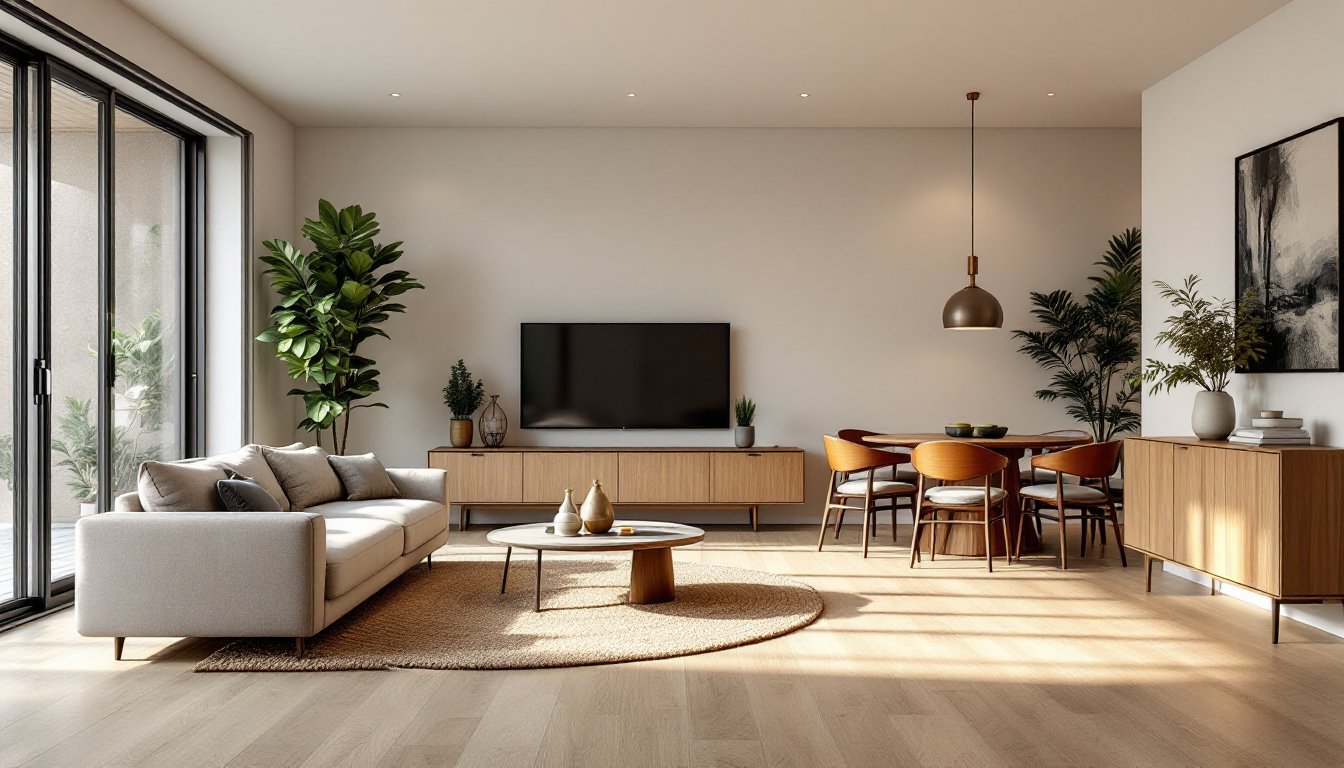
ToggleOpen concept living and dining room design has evolved from a trendy buzzword into a practical standard for modern homes. By removing or minimizing walls between these two spaces, homeowners unlock flexibility, improve natural light flow, and create a more social environment where cooking, eating, and relaxing happen seamlessly. This approach works whether someone’s building new, renovating an existing home, or simply rearranging what they already have. The key is understanding how to define separate functional zones while maintaining visual continuity, and doing it in a way that actually works for daily life, not just Instagram photos.
Key Takeaways
- Open concept living and dining room design combines aesthetics with practical benefits like improved light distribution, better supervision of children, and a more spacious feeling in smaller homes.
- Define distinct zones without walls by using level changes, flooring transitions, area rugs, and strategic furniture placement to maintain visual continuity and traffic flow.
- Load-bearing walls require a structural engineer assessment and a beam replacement with proper permits; for safer alternatives, consider partial open concept using peninsulas or half-walls.
- Unify the space through consistent color palettes (two to three complementary tones), coordinated materials across zones, and repeated furniture finishes to create visual cohesion.
- Strategic lighting design—combining recessed ceiling lights, pendant fixtures, track lighting, and dimmers—is essential to ground zones and adapt ambiance for cooking, dining, or relaxation.
- 2026 design trends prioritize biophilic elements, natural wood, flexible modular furniture, and hidden storage solutions that preserve the open feeling while supporting daily functionality.
Understanding Open Concept Layouts
An open concept living and dining room removes the traditional walls dividing these spaces, creating one large, interconnected area. Unlike cramped, partitioned rooms, this layout lets natural light travel across the full space and makes it easier to supervise kids or entertain while cooking.
But, open concept isn’t just about knocking down walls, it requires thoughtful planning. Load-bearing walls, HVAC ducts, plumbing runs, and electrical systems all live inside those walls. Before touching anything structural, a homeowner needs to know whether a wall is load-bearing. This often requires a structural engineer or experienced contractor to assess. If it is load-bearing, a beam or header must replace it, and permits are mandatory in virtually every jurisdiction.
For those not ready to renovate, partial open concept, using a peninsula, partial wall, or wide threshold, offers many benefits without structural work. This gives a softer separation while maintaining some visual boundary between dining and living zones.
Benefits of Combined Spaces
The payoff of open concept living and dining rooms goes beyond aesthetics. Homeowners gain genuine functional advantages: sight lines improve so a parent in the kitchen can watch children playing in the living area, social dynamics shift because cooking becomes part of the entertaining experience, and smaller homes feel significantly larger thanks to unobstructed square footage.
Light distribution improves dramatically. A single window or skylight can now illuminate a much larger footprint. Kitchen tasks become less isolating, no more being stuck behind a closed door while guests gather elsewhere. Resale value often increases because open floor plans appeal to broad buyer demographics.
There are trade-offs, though. Cooking smells, noise, and steam travel freely. Clutter in one zone reads across the entire space, so storage and organization become critical. Sound also travels unrestricted, so if someone’s watching a movie in the living area while another person’s prepping dinner, acoustic comfort can suffer. Smart design mitigates these challenges through proper zoning, ventilation, and material selection.
Defining Zones Without Walls
Creating distinct living and dining zones in an open floor plan relies on subtle visual and spatial cues rather than permanent barriers. Level changes work exceptionally well: raising the dining area by 4–6 inches or lowering the living room slightly creates a psychological boundary that the eye reads immediately. A half-wall or knee wall (typically 3–4 feet tall) screens the kitchen view from the living room while maintaining sightlines and airflow.
Flooring transitions are powerful zone definers. A homeowner can use one material (like polished concrete or light oak) in the living area and shift to a different surface (perhaps tile or dark laminate) in the dining zone. This signals a functional shift without walls. Area rugs placed under living room or dining furniture create perceived boundaries and add acoustic softness.
Open shelving or a peninsula countertop doubles as storage and a visual divider. A strategically placed sofa back, tall plant stand, or console table also helps break up the open expanse. The goal is guiding traffic flow and defining purpose while preserving the light and air movement that makes open concept appealing in the first place.
Furniture Arrangement and Flow
Successful open concept living and dining room design hinges on how furniture is arranged. A dining table positioned perpendicular to kitchen cabinetry, rather than parallel, breaks up a boxed-in feeling and creates natural traffic lanes. The living room seating should face a focal point, a TV, fireplace, or window view, rather than turning its back to the dining area.
Leave at least 36–42 inches of walkway between furniture pieces. In tight spaces, a smaller sectional or loveseat instead of a sprawling sofa keeps the living area from dominating the room. Similarly, a round or oval dining table (rather than rectangular) fits better into constrained open-plan layouts and encourages conversation around all edges.
Repeat furniture styles or finishes to create visual cohesion. If the living room has a light wood TV console, echo that tone in the dining room chairs or a kitchen island. This threading of materials and colors signals unity while distinct functional zones remain clear. Avoid creating an obstacle course, open concept only works if people can move comfortably between cooking, eating, and relaxing.
Color, Lighting, and Material Continuity
A unified color palette is the invisible glue holding an open concept space together. Picking two to three complementary wall colors (or using one neutral base with accent colors in furnishings) prevents the space from feeling chaotic. The living area might have warm beige walls while the dining room sits slightly warmer with a tan tone, close enough to read as continuous, distinct enough to define zones.
Lighting design makes or breaks open concept. Recessed ceiling lights or a cove light system provides general illumination across the full space. A pendant cluster or statement fixture over the dining table grounds that zone visually. Track lighting in the living area focuses the eye on the seating arrangement. Dimmers on all circuits give flexibility: bright task lighting while cooking, softer ambient light during dinner.
Material choice matters greatly. If kitchen flooring is porcelain tile, extend it into the dining area (or place it there exclusively). Use hardwood or laminate that matches in tone for the living room. Countertops, cabinetry finishes, and hardware should echo across zones. A cohesive approach, consistent stainless steel, matte black, or brushed bronze hardware throughout, unifies the entire space without walls doing the work.
Modern Design Trends for 2026
Contemporary open concept living and dining room design in 2026 emphasizes biophilic elements, natural wood, live plants, stone textures, and water features that ground the space. Large potted plants act as zone dividers while improving air quality. Exposed wood beams (even if cosmetic or reclaimed rather than structural) add warmth and break up vast ceiling expanses.
Neutral, earthy palettes remain dominant: warm grays, soft taupes, creams, and sage greens create calm, inviting environments. High-contrast statement walls are out: layered textures through paint, wallpaper, and materials are in. Matte finishes on walls, fixtures, and furniture replace high-gloss everywhere.
Flexible, modular furniture lets people adapt zones for entertaining, working from home, or kids’ activities. A lightweight dining table that seats six but tucks into a corner when not needed, or a sofa with moveable ottomans, lets the space breathe. Smart storage, hidden drawers, floating shelves, built-in cabinetry, keeps clutter invisible, preserving the clean, open feeling that makes this design work.
Conclusion
Open concept living and dining room design succeeds when planning addresses both the emotional appeal (light, airflow, social flow) and practical realities (noise, cooking odors, storage). Whether removing walls entirely or creating a softer open plan with partial dividers, the fundamentals remain: define zones through flooring, color, and furniture: maintain visual and material continuity: invest in thoughtful lighting: and prioritize flow. In 2026, this approach continues to deliver value, not as a one-size-fits-all trend, but as a flexible framework that adapts to how people actually live.