Table of Contents
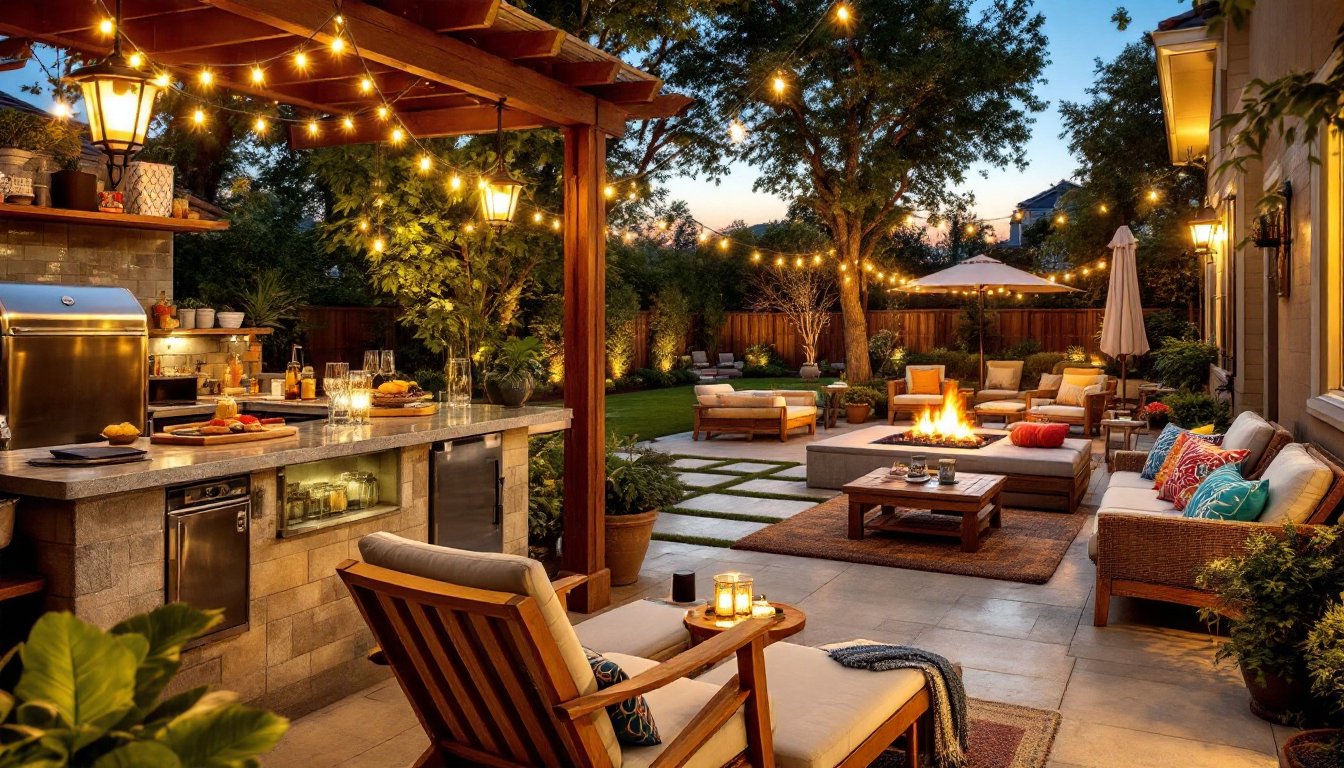
ToggleHosting memorable gatherings starts with a well-designed outdoor space. Whether someone’s planning a summer cookout, an intimate dinner party, or a weekend celebration with friends, the right backyard setup transforms an ordinary yard into an inviting entertainment hub. This guide covers practical backyard entertaining ideas, from durable seating arrangements to ambient lighting, food stations, and interactive activities, that work for any budget and skill level. These solutions focus on comfort, functionality, and durability rather than trendy aesthetics that fade quickly. By implementing even a few of these ideas, anyone can create an outdoor space where guests genuinely want to linger.
Key Takeaways
- Comfortable, durable seating arranged in conversation clusters of four to six people is the foundation of successful backyard entertaining ideas, keeping guests engaged and creating natural social zones.
- Establish a dedicated outdoor beverage station with ice storage, glassware, and mixing tools to reduce indoor trips and give the host better control over supplies.
- Layer your lighting with task, accent, and ambient options—string lights, solar path lights, and uplighting transform your backyard from daytime space to magical evening venue.
- Plan interactive activities like lawn games, fire pits, outdoor movies, or DIY food stations to keep guests engaged and create lasting memories beyond eating and drinking.
- Create multiple food stations rather than one large buffet to improve traffic flow and allow guests to mingle comfortably while dining.
- Use outdoor-rated materials like teak, cedar, solution-dyed fabrics, and powder-coated aluminum to ensure your entertainment space remains comfortable and low-maintenance year-round.
Create Comfortable Seating and Lounge Areas
Seating is the foundation of any entertaining space. Guests need places to sit that feel sturdy, comfortable, and appropriately spaced for conversation without bunching everyone together. Mix seating types to accommodate different group dynamics, a combination of dining chairs, low lounge seating, and standing-room bar areas keeps traffic flowing and prevents the “awkward gap” where no one knows where to sit.
For durability, choose furniture rated for outdoor use. Teak, cedar, and pressure-treated lumber hold up well to weather when sealed annually with exterior spar urethane. Alternatively, powder-coated aluminum frames with outdoor-rated cushions resist rust and rot while requiring minimal maintenance. Cushions should use solution-dyed fabrics like Sunbrella or equivalent, these don’t fade as quickly as traditional textiles when exposed to UV rays.
Arrange seating in conversation clusters of four to six people rather than one long row. This creates natural social zones and makes it easier for guests to engage. Built-in benches along a deck or patio edge save space and provide casual overflow seating. If space allows, a hammock or hanging daybed offers a relaxation-focused element that breaks up the formality of traditional furniture.
Consider the sight lines too. Position seating so guests can see the grill station, the bar, or an outdoor kitchen, this keeps the host visible and prevents people from feeling left out of the action.
Design an Outdoor Bar or Beverage Station
A dedicated beverage station keeps guests from constantly running inside and lets the host manage supplies in one spot. This doesn’t require a built-in bar, a sturdy outdoor credenza, side table, or even a weatherproof cabinet works well.
The essentials include ice storage (a cooler with a drain spigot works), a mixing station with basic tools (jigger, bar spoon, muddler), glassware, and bottles. Position the station on a level surface with good drainage so spills don’t create puddles or ice buildup. A small prep sink or water source nearby simplifies cleanup and refilling ice.
For a semi-permanent setup, build a simple bar frame from pressure-treated 2x4s and add a countertop made from concrete, stone tile, or marine-grade plywood sealed with exterior polyurethane. Concrete counters are durable but require proper slope for drainage (minimum 1/8-inch drop per foot) and sealing every two to three years. Stone tile is more forgiving and visually appealing, though grout lines need regular maintenance.
If building is out of scope, a weatherproof outdoor bar cart on casters offers mobility, guests can mingle while refreshments follow them around. Stock it with non-perishables and keep it near a cooler stocked with ice and cold beverages. Label drinks or provide a simple chalkboard menu to set expectations.
Set Up Ambient Lighting for Evening Gatherings
Lighting transforms a backyard from pleasant daytime space to magical evening venue. Plan for three layers: task lighting (to see food and avoid tripping), accent lighting (to highlight landscape features), and ambient lighting (to set mood and extend usability after sunset).
String lights strung overhead create instant ambiance and are one of the easiest DIY installations. Use commercial-grade LED Edison bulbs rated for outdoor use and string them between posts, trees, or a newly installed cable-and-bracket system. Run power to a weatherproof outlet (GFCI-protected, per NEC code) using outdoor-rated electrical conduit if running wire across the deck or patio.
Solar path lights along walkways improve safety without wiring. They’re inexpensive, require no electrician, and perform adequately in most climates, though they’re dimmer than plug-in options.
Uplighting mounted in landscape beds highlights trees and architectural features. These are best run on a low-voltage system (12V) rather than line voltage, safer, easier to install, and no permit needed in most jurisdictions.
Fire features like a tabletop fire bowl or outdoor fireplace provide warmth, light, and a natural gathering point. Make sure clearances meet local fire codes (typically 10 feet from structures and overhanging branches).
Dimmers on string lights and accent fixtures give flexibility to adjust mood throughout the evening. Test lighting during dusk to confirm brightness levels work without creating harsh shadows or spilling onto neighbors’ property.
Plan Interactive Games and Activities
Entertainment keeps guests engaged and creates memories beyond just eating and drinking. Plan activities that suit the group size and mix of ages without requiring extensive setup or specialty skills.
Lawn games like cornhole, giant Jenga, ring toss, and ladder ball work year-round and require minimal space. Store them in a weatherproof bin so they’re easy to grab. These games work in groups and don’t demand constant attention, guests can play while chatting.
A fire pit with seating becomes a natural gathering spot for late-evening conversation. It’s ideal for smaller groups and sets a relaxed tone. Follow local fire safety codes: maintain clearances, use a mesh spark screen, and never leave a fire unattended.
Outdoor movie setup works for larger groups. A simple projector on a tripod, a bedsheet or portable screen, and outdoor-rated speakers create a fun evening activity. Make sure the area gets truly dark in the evening, and test the projection distance before inviting guests.
Music from a weatherproof Bluetooth speaker sets the overall energy. Curate playlists rather than leaving shuffle on, thoughtful music choices feel more intentional and control the vibe.
Cooking demonstrations or interactive stations like a s’mores bar or DIY taco station turn food into an activity. Guests love participating, and it reduces the host’s workload.
Incorporate Food and Dining Stations
Food keeps gatherings running smoothly and gives guests a reason to stay longer. Rather than one big buffet, create multiple food stations so people aren’t bottlenecked and traffic flows naturally.
A grilling station is the obvious centerpiece. Locate the grill on a level, non-combustible surface with clearance from structures and trees (check manufacturer specs and local codes). Install a weatherproof prep table nearby for staging ingredients. A side burner on the grill, or a portable camp stove, lets someone keep sides warm or handle multiple dishes simultaneously.
A charcuterie or appetizer station works indoors or out and requires no cooking. Use tiered platters or boards to make food visually appealing and easy to pick at while standing. Keep items properly cooled in a cooler or on ice-filled serving platters.
A dessert or beverage station encourages guests to linger. S’mores, grilled fruit, and ice cream work outdoors: pair them with coffee service for evening gatherings.
Dining tables should accommodate at least half the guest count seated at once, the other half can stand, eat, and mingle. Use tables with umbrella holes for daytime shade and built-in coolers (some outdoor dining tables include integrated ice storage). Weatherproof outdoor tablecloths and napkins prevent wind issues.
Keep food safety in mind: use insulated coolers with ice for perishables, cover food when not actively serving, and use separate cutting boards for raw meat. Hot items should stay above 140°F using a warming tray or by keeping them on the grill or stovetop.
Add Decor and Personal Touches
Decor should enhance functionality without creating clutter or requiring constant fussing. Skip items that blow away, retain moisture, or fade within a season.
Potted plants and landscaping define spaces and soften hardscapes. Use containerized plantings in coordinating pots, easier to maintain and rearrange than in-ground beds. Tall planters create natural barriers between spaces and screen unsightly views.
Rugs and mats define conversation areas and add warmth underfoot. Use outdoor-rated rugs made from polypropylene or solution-dyed olefin, these resist mold, fade, and staining better than natural fibers. Secure them with non-slip pads so guests don’t trip.
Overhead shade structures like pergolas, shade sails, or umbrellas improve comfort during hot afternoons. A pergola made from pressure-treated lumber provides dappled shade and can support string lights. Use exterior-grade fasteners and sealant to prevent rot and rust.
Color and accent pieces should complement your home’s exterior rather than fight it. A few statement pieces, a decorative lantern, colorful throw pillows on seating, or a painted door, add personality without overwhelming the space.
Consider seasonal swap-outs, spring and summer decor differs from fall setups. Storing most decor indoors reduces weather damage and makes refreshing the space for different occasions simple.
Avoid heavily scented products, decorations that collect water (inverted bottles, narrow planters), and anything requiring daily maintenance to look acceptable.
Conclusion
Backyard entertaining spaces don’t require a complete redesign or contractor budget. Start with comfortable seating and good lighting, these two elements alone transform how guests experience the space. Add a beverage station and food prep area, and suddenly the host can relax instead of running inside constantly. Interactive games, smart decor choices, and thoughtful layout complete the setup. Build in stages if needed, testing what works before committing to permanent structures. The goal is creating an outdoor room where guests want to stay, where the host isn’t exhausted, and where memories happen naturally. Start with one or two improvements and expand from there.